If you are facing drug charges in Miami, finding the right attorney is one of the most important decisions you will make. Florida has some of the strictest drug laws in the country, and a conviction can mean mandatory prison time, thousands of dollars in fines, a two-year license suspension, and a permanent criminal record. The stakes are too high for guesswork. This guide breaks down exactly what separates an effective drug charge attorney from the rest, what penalties you could face, and why experienced representation matters at every stage of your case.
Understanding Florida Drug Charge Penalties
A drug charge in Florida is a criminal offense involving the possession, sale, manufacture, delivery, or trafficking of a controlled substance as defined under Florida Statute 893. Penalties vary dramatically depending on the substance, the quantity, and the nature of the alleged offense.
Florida classifies controlled substances into five schedules. Schedule I drugs such as heroin and MDMA carry the harshest penalties. Possession of any controlled substance without a valid prescription can result in a third-degree felony charge punishable by up to five years in prison and a $5,000 fine.
| Charge Type | Classification | Maximum Penalty |
|---|---|---|
| Marijuana possession (under 20g) | 1st-degree misdemeanor | 1 year jail, $1,000 fine |
| Marijuana possession (over 20g) | 3rd-degree felony | 5 years prison, $5,000 fine |
| Cocaine/heroin possession | 3rd-degree felony | 5 years prison, $5,000 fine |
| Sale of cocaine/heroin | 2nd-degree felony | 15 years prison, $10,000 fine |
| Drug trafficking (varies by substance) | 1st-degree felony | 3-25 year mandatory minimum, up to 30 years |
Any drug conviction in Florida also triggers an automatic two-year driver's license suspension. Enhanced penalties apply for offenses committed near schools, parks, or places of worship.
Types of Drug Charges in Miami
Drug charges in Miami range from simple possession to large-scale trafficking. Understanding the categories helps you evaluate what kind of attorney you need.
Simple Possession
Simple possession means having a controlled substance for personal use. While it may seem minor, it is still a felony for most substances other than small amounts of marijuana.
Possession with Intent to Distribute
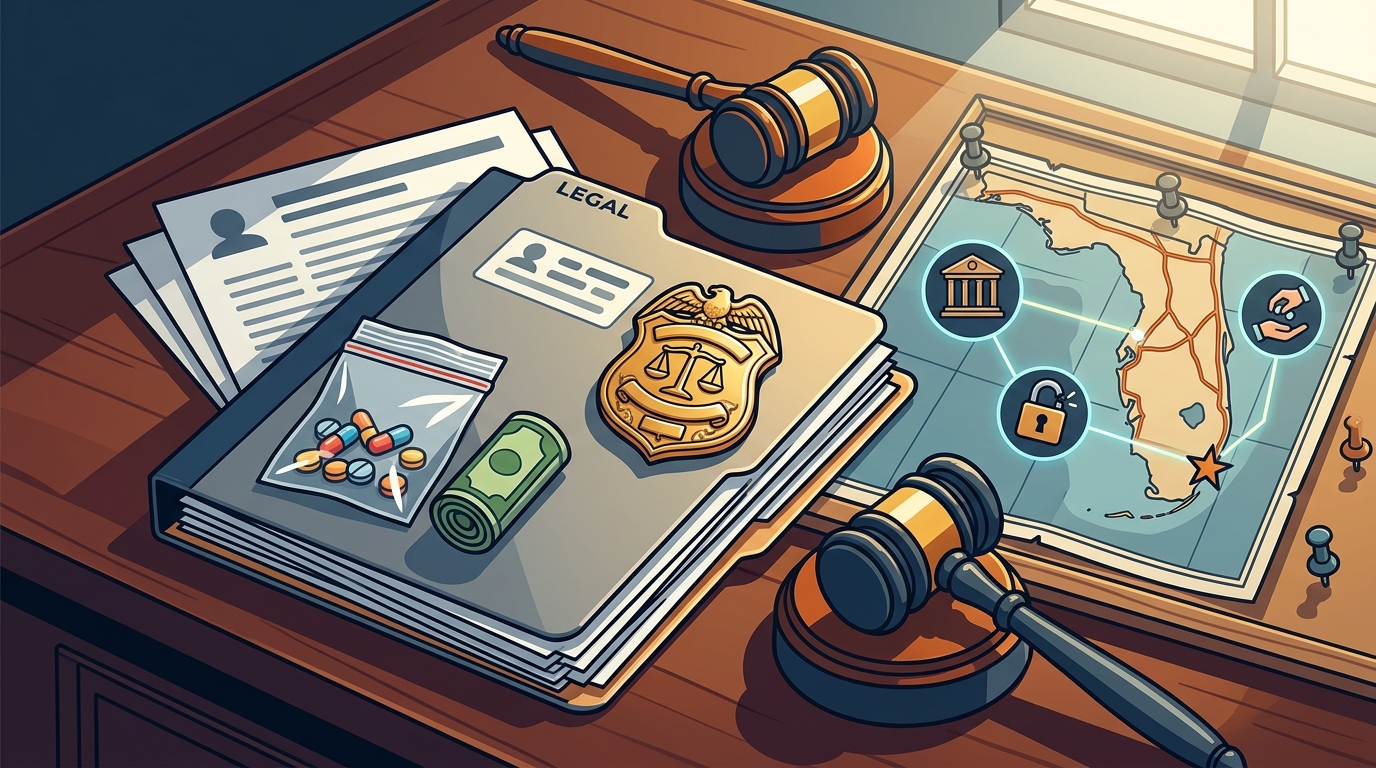
When law enforcement believes the quantity is inconsistent with personal use, or finds packaging materials and scales, they may charge possession with intent to distribute. This elevates a case to a second-degree felony for most controlled substances.
Drug Trafficking
Drug trafficking is a charge based on weight thresholds, not necessarily actual distribution. In Florida, trafficking charges carry mandatory minimum prison sentences ranging from 3 to 25 years. Even someone holding drugs purely for personal use can be charged with trafficking if the weight exceeds statutory limits.
What Makes the Best Drug Charge Attorney
The best drug charge attorney in Miami is not simply the one with the most advertising. Look for these qualities:
- Exclusive criminal defense focus. A firm that practices only criminal law dedicates 100% of its resources to understanding the system, the judges, and the prosecutors you will face.
- Courtroom experience. Trial-tested attorneys prepare every case as though it will go before a jury, which strengthens negotiations as well.
- Knowledge of local courts. Miami-Dade and Broward County courthouses each have distinct cultures. An attorney who practices in these courtrooms daily understands which arguments resonate.
- Prosecution background. A former prosecutor knows how the State builds its case and where weaknesses tend to appear.
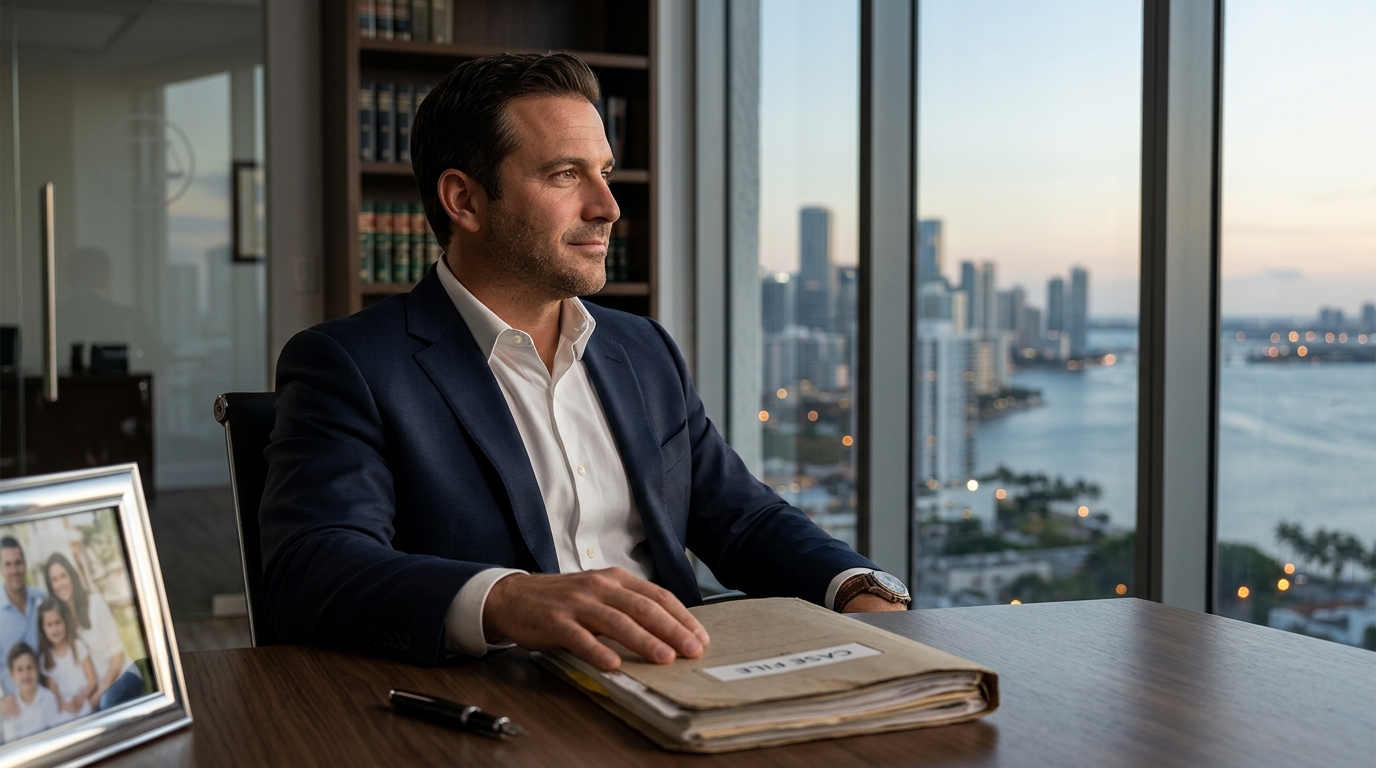
The Law Office of Adam K. Goodman is dedicated solely to criminal defense and handles drug charges across Miami-Dade and Broward County. Adam Goodman is a former Miami-Dade prosecutor who has taken over 80 cases to trial verdict.
Why Prosecutor Experience Matters
A former prosecutor is an attorney who previously worked for the State, charging and trying criminal cases before transitioning to defense work. This background provides an insider perspective on how evidence is gathered, how plea offers are structured, and what motivates the State to pursue or reduce charges.
Adam K. Goodman served as an Assistant State Attorney in the Miami-Dade State Attorney's Office from 2007 to 2013. He was the Chief of Litigation for the Misdemeanor Domestic Violence Unit, supervising twenty prosecutors and managing hundreds of cases simultaneously. That experience translates directly into identifying procedural errors, challenging evidence, and negotiating from a position of knowledge.
Strong relationships with prosecutors and the judiciary allow an experienced defense attorney to negotiate more effectively on behalf of clients. This is not about favoritism; it is about credibility and mutual professional respect built over years of practice.
Common Defense Strategies for Drug Cases
Every drug case is different, but several proven defense strategies apply across many situations.
Challenging the Search and Seizure
The Fourth Amendment protects against unreasonable searches. If law enforcement conducted an illegal search, any evidence obtained may be inadmissible. A detailed review of the initial contact with law enforcement, with emphasis on probable cause, is the first step in any drug charge defense.
Lack of Knowledge
Lack of knowledge is a defense asserting that the accused did not know the substance in their possession was illegal. This can apply in cases involving shared vehicles, borrowed bags, or packages delivered to a residence.
Entrapment and Constructive Possession
In manufacturing or trafficking cases, a defense of entrapment or constructive possession may apply. Constructive possession requires the State to prove the defendant had knowledge of and control over the substance, not merely proximity to it.
Diversion Programs
First-time offenders may qualify for pretrial diversion or drug court programs. Successful completion can result in reduced charges or full dismissal. An experienced attorney will know whether you are eligible and how to position your case for acceptance.
State vs. Federal Drug Charges
Drug cases can be prosecuted at either the state or federal level. Federal drug charges typically involve larger quantities, interstate activity, or federal agency investigations such as those conducted by the DEA.
Federal sentencing guidelines often impose harsher penalties than Florida's state system. Mandatory minimums of five or ten years are common in federal drug cases, and judges have limited ability to sentence below those floors. Federal prosecutors also rely on tools like wiretaps, financial tracking, and conspiracy charges that can sweep in individuals on the periphery of an alleged operation.
If your case involves any interstate element or if federal agents have contacted you, it is critical to hire an attorney experienced in both state and federal criminal defense. Adam K. Goodman is admitted to practice in the U.S. District Courts for the Southern, Middle, and Northern Districts of Florida.
Key Takeaways
- Florida drug penalties range from misdemeanor fines to 30 years in prison depending on the substance, quantity, and offense type.
- All drug convictions in Florida trigger an automatic two-year driver's license suspension.
- Drug trafficking charges are based on weight thresholds and carry mandatory minimum prison sentences.
- The best drug charge attorney in Miami focuses exclusively on criminal defense and has real trial experience.
- A former prosecutor brings insider knowledge of how the State builds cases and where weaknesses exist.
- Federal drug charges carry harsher penalties and require an attorney admitted to federal court.
- Early legal representation maximizes your options, including eligibility for diversion programs.
Frequently Asked Questions
What should I look for in a Miami drug charge attorney?
Look for exclusive criminal defense focus, significant trial experience, familiarity with Miami-Dade and Broward courts, and ideally a background as a former prosecutor. These factors directly affect the quality of your defense.
What are the penalties for drug possession in Florida?
Possession of most controlled substances is a third-degree felony carrying up to five years in prison and a $5,000 fine. Marijuana under 20 grams is a first-degree misdemeanor with up to one year in jail.
Can I go to jail for a first-time drug offense in Florida?
Jail is possible, but first-time offenders may qualify for pretrial diversion or drug court. Successful completion can lead to charges being dropped entirely. An attorney can help determine your eligibility.
What is the difference between state and federal drug charges?
State charges are prosecuted under Florida Statute 893. Federal charges involve violations of the United States Code and are prosecuted in federal court, often with mandatory minimum sentences of five to ten years.
What is drug trafficking under Florida law?
Drug trafficking is a charge triggered when a person possesses, sells, or transports a controlled substance above certain weight thresholds. It is a first-degree felony with mandatory minimum prison sentences of 3 to 25 years.
How does a former prosecutor help with my drug defense?
A former prosecutor understands the strategies, priorities, and weaknesses of the State's case from the inside. This insight helps identify errors in evidence collection, challenge probable cause, and negotiate more effectively.
Does a drug conviction affect my driver's license in Florida?
Yes. Any drug conviction in Florida results in an automatic two-year suspension of your driver's license, regardless of whether the offense involved driving.
How do I contact a drug charge attorney in Miami?
You can reach the Law Office of Adam K. Goodman at (305) 482-3265 for a free consultation. The office is located at 19790 West Dixie Highway, Suite 810, Miami, FL 33180.
Take Action Now
If you or someone you love is facing drug charges in Miami-Dade or Broward County, time matters. Evidence can be challenged, rights can be protected, and alternatives to prison may be available, but only if you act quickly. Contact the Law Office of Adam K. Goodman today at (305) 482-3265 for a free, confidential consultation with a former prosecutor who fights exclusively for the defense.