

How a Former Prosecutor Approaches Defending Fraud Cases Differently
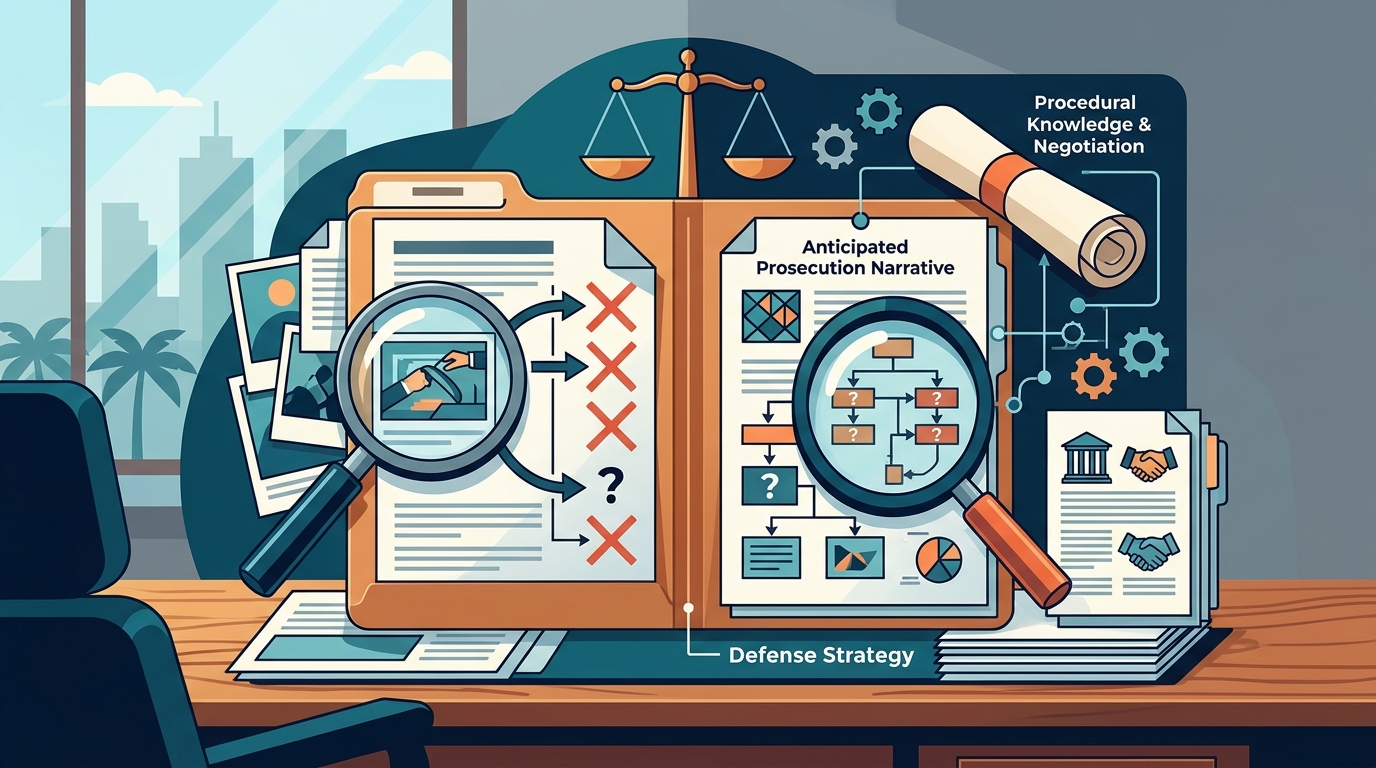
Former prosecutors approach fraud defense by anticipating the State's narrative before it is fully formed. They identify evidentiary gaps early, challenge the intent element, and leverage procedural knowledge to negotiate favorable outcomes. The Law Office of Adam K. Goodman applies this dual perspective to protect clients in Miami and Broward County. according to Consumer Fraud PA
Anticipating the Prosecution's Narrative
Prosecutors build fraud cases around a specific story of deception. A former prosecutor knows exactly how that story is constructed. They understand which documents the State will prioritize and how witnesses will be prepared. This insight allows the defense to counter the narrative before it solidifies in the judge's or jury's mind.
For example, in a mortgage fraud case, the State often relies on a single loan officer's testimony. A former prosecutor knows that this witness is likely to be coached to emphasize the defendant's intent. By anticipating this, the defense can prepare cross-examination questions that expose inconsistencies in the witness's recollection. This proactive strategy is distinct from a reactive defense that waits for the State to present its case.
The implication is that the defense controls the pace of the proceedings. Instead of reacting to surprises, the attorney guides the case toward a resolution that reflects the true facts. This approach is particularly effective in complex white-collar matters where the evidence is documentary and the intent is inferred.
Challenging the Element of Intent
Fraud is a specific intent crime. The State must prove that the defendant knowingly made a false representation with the intent to defraud. This is often the most difficult element to prove. A former prosecutor knows that prosecutors often struggle to distinguish between a bad business decision and criminal fraud.
Consider a case involving a small business owner who failed to pay taxes. The State may argue that the owner intended to defraud the government. However, a former prosecutor understands that the State must prove the owner had the specific intent to deceive, not just that they failed to pay. This distinction is critical. The defense can argue that the owner made an honest mistake or faced financial hardship, which negates the specific intent required for fraud.
This focus on intent allows the defense to challenge the core of the prosecution's case. It shifts the burden back to the State to prove a mental state that is inherently difficult to observe. This strategy is a hallmark of experienced fraud defense attorneys who have seen these cases from the other side.
Leveraging Procedural Knowledge
Fraud cases are often complex and involve multiple procedural stages. A former prosecutor has a deep understanding of these stages, from the initial investigation to the final sentencing. They know the deadlines, the filing requirements, and the potential pitfalls that can derail a case.
For instance, in a federal fraud case, the discovery process is extensive. A former prosecutor knows how to request specific documents and how to challenge the State's production of evidence. They also know how to file motions to suppress evidence if it was obtained illegally. This procedural expertise ensures that the defense is not caught off guard by technicalities.
The implication is that the defense can use procedural rules to their advantage. By filing timely motions and challenging the State's compliance with procedural requirements, the defense can weaken the prosecution's case. This is a strategic approach that requires a deep understanding of the legal system.
Negotiating from a Position of Strength
Many fraud cases are resolved through plea negotiations. A former prosecutor knows how prosecutors evaluate cases and what factors influence their willingness to negotiate. They understand the risks the State faces at trial and can use this knowledge to negotiate a favorable plea deal.
For example, if the State's evidence is weak, a former prosecutor can point out these weaknesses to the prosecutor. They can argue that the case is not strong enough to go to trial and that a plea deal is in the State's best interest. This approach often results in a reduced charge or a lighter sentence.
This negotiation strategy is effective because it is based on a realistic assessment of the case. A former prosecutor does not overpromise or underpromise. They provide their clients with an honest evaluation of their options and work to achieve the best possible outcome. This is a key benefit of hiring an attorney with this background. according to Criminal Justice Professor
Building a Defense Strategy
A former prosecutor builds a defense strategy that is tailored to the specific facts of the case. They do not use a one-size-fits-all approach. Instead, they analyze the evidence, identify the weaknesses in the State's case, and develop a strategy that addresses those weaknesses.
For example, in a case involving identity theft, the defense may focus on challenging the State's proof that the defendant used the stolen identity. They may argue that the defendant did not have access to the identity or that the State's evidence is inconclusive. This targeted approach is more effective than a general defense that does not address the specific issues in the case.
The implication is that the defense is more likely to succeed. By focusing on the specific weaknesses in the State's case, the defense can create reasonable doubt in the minds of the judge or jury. This is the ultimate goal of any criminal defense strategy.
Key Takeaways
- Former prosecutors anticipate the State's narrative and counter it before it solidifies.
- They focus on challenging the element of specific intent, which is often the weakest part of a fraud case.
- Procedural knowledge allows them to use technical rules to their advantage.
- They negotiate from a position of strength by understanding how prosecutors evaluate cases.
- They build a tailored defense strategy that addresses the specific weaknesses in the State's evidence.
- This approach is particularly effective in complex white-collar and federal fraud cases.
Frequently Asked Questions
Why is a former prosecutor better at defending fraud cases?
A former prosecutor knows how the State builds its case. They can anticipate the evidence and the narrative, allowing them to counter it effectively. This insight is valuable in complex fraud cases where the intent is inferred.
Can a former prosecutor negotiate a better plea deal?
Yes. A former prosecutor understands how prosecutors evaluate cases and what factors influence their willingness to negotiate. They can use this knowledge to negotiate a favorable plea deal for their client.
What is the most difficult element to prove in a fraud case?
The element of specific intent is often the most difficult to prove. The State must show that the defendant knowingly made a false representation with the intent to defraud. This is a mental state that is hard to observe.
How does a former prosecutor use procedural knowledge?
They use procedural knowledge to file timely motions, challenge the State's compliance with rules, and identify potential pitfalls that can derail the case. This ensures that the defense is not caught off guard by technicalities.
Is a former prosecutor always the best choice for a fraud case?
Not always, but they are often a strong choice. Their experience gives them a unique perspective that can be beneficial in complex cases. However, the best attorney is one who is experienced, knowledgeable, and committed to your case.
Conclusion
A former prosecutor brings a unique perspective to fraud defense. They anticipate the State's narrative, challenge the element of intent, leverage procedural knowledge, and negotiate from a position of strength. This approach is particularly effective in complex white-collar and federal fraud cases. If you are facing fraud charges in Miami or Broward County, consider consulting with an experienced attorney who has this background. The Law Office of Adam K. Goodman is dedicated to protecting your rights and achieving the best possible outcome for your case.