
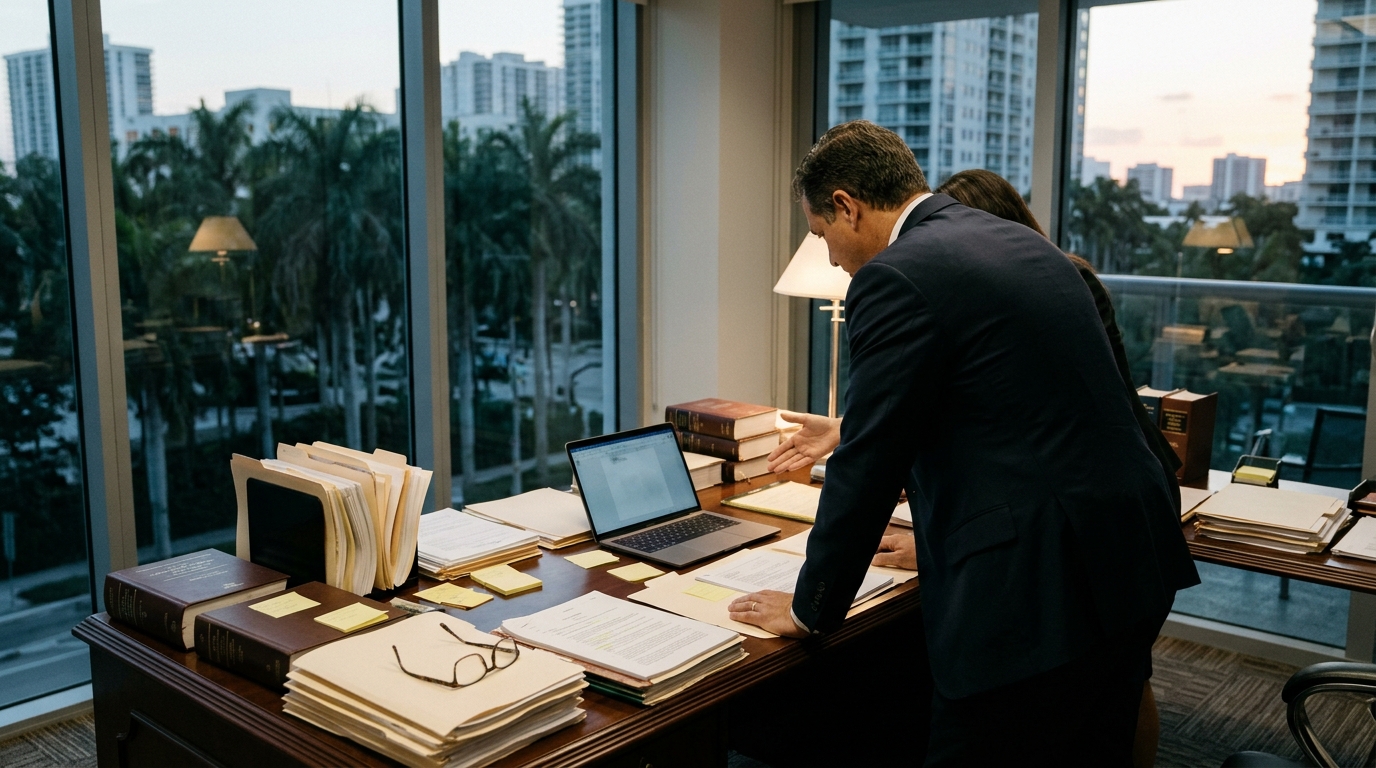
Facing a gun charge in Miami can have severe consequences for your freedom and future. Understanding the legal landscape is critical before you retain counsel. The Law Office of Adam K. Goodman provides strategic guidance for these complex cases.
1. Challenge the Legality of the Search and Seizure
Suppression of evidence is often the most powerful defense tool. If law enforcement violated your Fourth Amendment rights during a stop or search, the weapon may be excluded from trial. This strategy requires a detailed review of the officer's actions and the specific facts of the encounter.
2. Verify Permit and Registration Status
Compliance with state and federal laws can negate certain charges. In Florida, carrying a concealed weapon requires a valid permit. If you held a proper license at the time of the incident, some statutory elements of the crime may not be met. Your attorney must verify your records against the specific date and location of the arrest.
3. Contest the Intent to Possess
Proving lack of knowledge or intent is a key defense angle. Possession charges often require proof that you knew the weapon was present and intended to control it. If the gun belonged to another person in a shared vehicle or residence, you may argue you did not have constructive possession. This requires careful analysis of physical evidence and witness testimony.
4. Scrutinize the Chain of Custody
Errors in evidence handling can undermine the prosecution's case. The chain of custody tracks the weapon from seizure to trial. Any break or irregularity in this process can create reasonable doubt. A thorough review of police reports and lab records is essential to identify potential procedural failures.
5. Negotiate Based on Prosecutorial Weaknesses
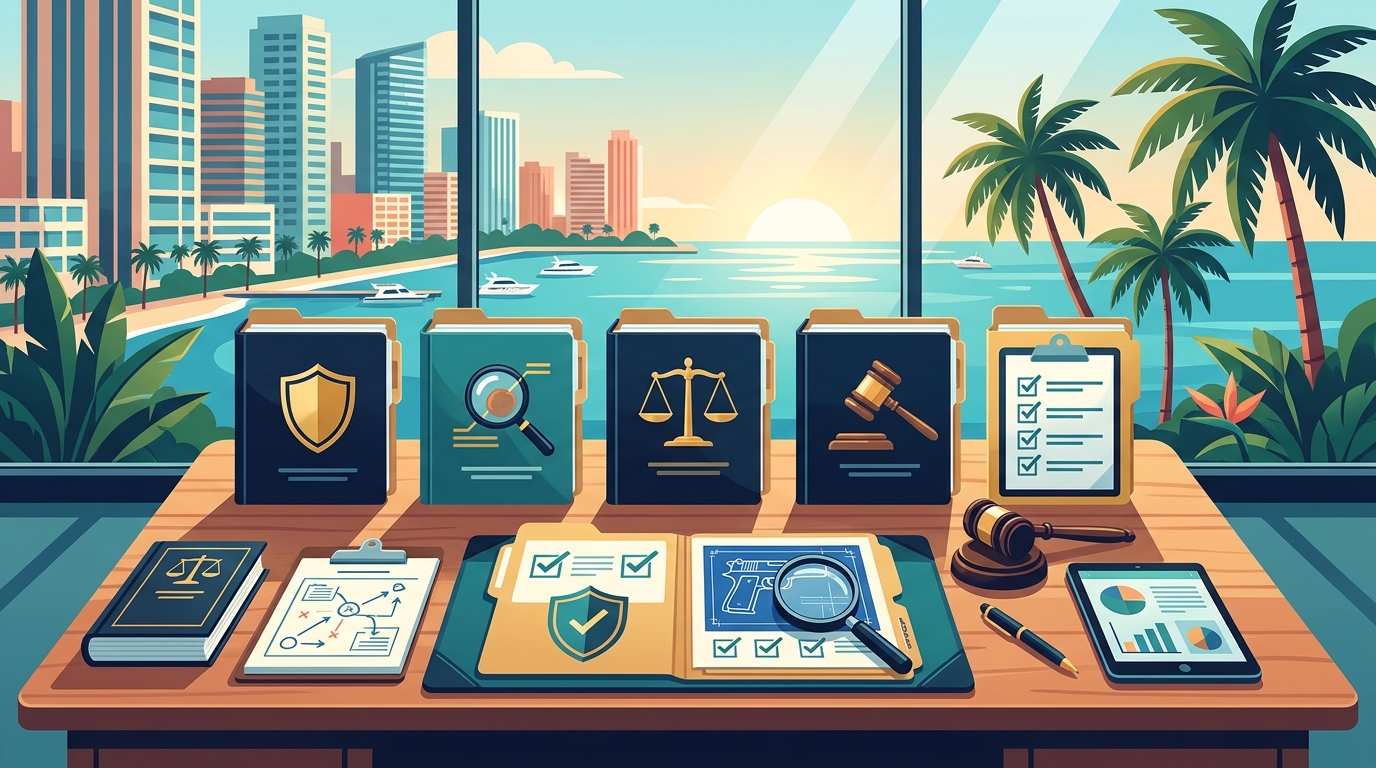
Understanding how prosecutors build cases allows for better plea negotiations. Former prosecutors know which evidence is weak and which is strong. By identifying gaps in the state's proof, your attorney can negotiate for reduced charges or favorable sentencing terms. This approach leverages insider knowledge of the criminal justice system.
Choosing the Right Strategy
Frequently Asked Questions
What is the difference between possession and carrying a firearm?
Possession means having control over a firearm, while carrying implies transporting it on your person or in a vehicle. The legal penalties and defenses vary significantly between these two charges in Florida law.
Can a gun charge be dismissed if I have a permit?
Having a valid concealed carry permit may prevent certain charges, but it does not automatically dismiss all gun-related offenses. The specific circumstances of the arrest and the type of weapon involved are critical factors.
How long does a gun charge case take in Miami?
The timeline varies based on the complexity of the case and the court's schedule. Some cases resolve quickly through negotiation, while others proceed to trial, which can take several months.
What is constructive possession in a gun case?
Constructive possession is a legal concept where a person is deemed to have control over a weapon even if it is not physically in their hand. This often applies to items found in a shared space like a car or home.
Why is it important to hire a former prosecutor?
A former prosecutor understands the state's perspective and knows how to identify weaknesses in the evidence. This insight can be crucial for building a strong defense and negotiating favorable outcomes. Learn more: Criminal Defense Attorney Miami.