
Who Handles Juvenile Crime Defense in Hialeah?
The Law Office of Adam K. Goodman handles juvenile crime defense in Hialeah, Miami-Dade, and Broward counties. This guide covers how to choose the right attorney, what to ask, how to verify credentials, the legal process, costs, common mistakes, and local specifics for South Florida families.
How to Choose a Juvenile Defense Attorney
Choosing the right attorney is the most critical step in protecting your child's future. A juvenile defense attorney is a legal professional who specializes in representing minors accused of crimes. The primary difference between a good and a bad option lies in trial experience and focus. Many general practice attorneys take juvenile cases as a side business, but a dedicated criminal defense firm focuses exclusively on these matters. This focus ensures that the attorney understands the nuances of the juvenile system, which differs significantly from the adult criminal court.
Experience with Adult Court Transfers
One of the most significant risks in juvenile cases is the transfer to adult court. Prosecutors in Florida have broad discretion to initiate prosecution of a juvenile in adult court. An experienced attorney knows how to fight this transfer aggressively. They understand the specific factors judges consider, such as the severity of the crime, the juvenile's prior record, and their capacity for rehabilitation. If an attorney has never handled a transfer hearing, they may not be prepared to argue for the juvenile's right to remain in the juvenile system.
Local Court Knowledge
Legal procedures can vary slightly between counties. An attorney who practices in Miami-Dade and Broward counties understands the specific judges, prosecutors, and court staff involved in juvenile cases. This local knowledge allows for more effective negotiation and strategy. For example, knowing which judges are more receptive to diversion programs can be the difference between a formal adjudication and a successful diversion.
What to Ask Before Committing
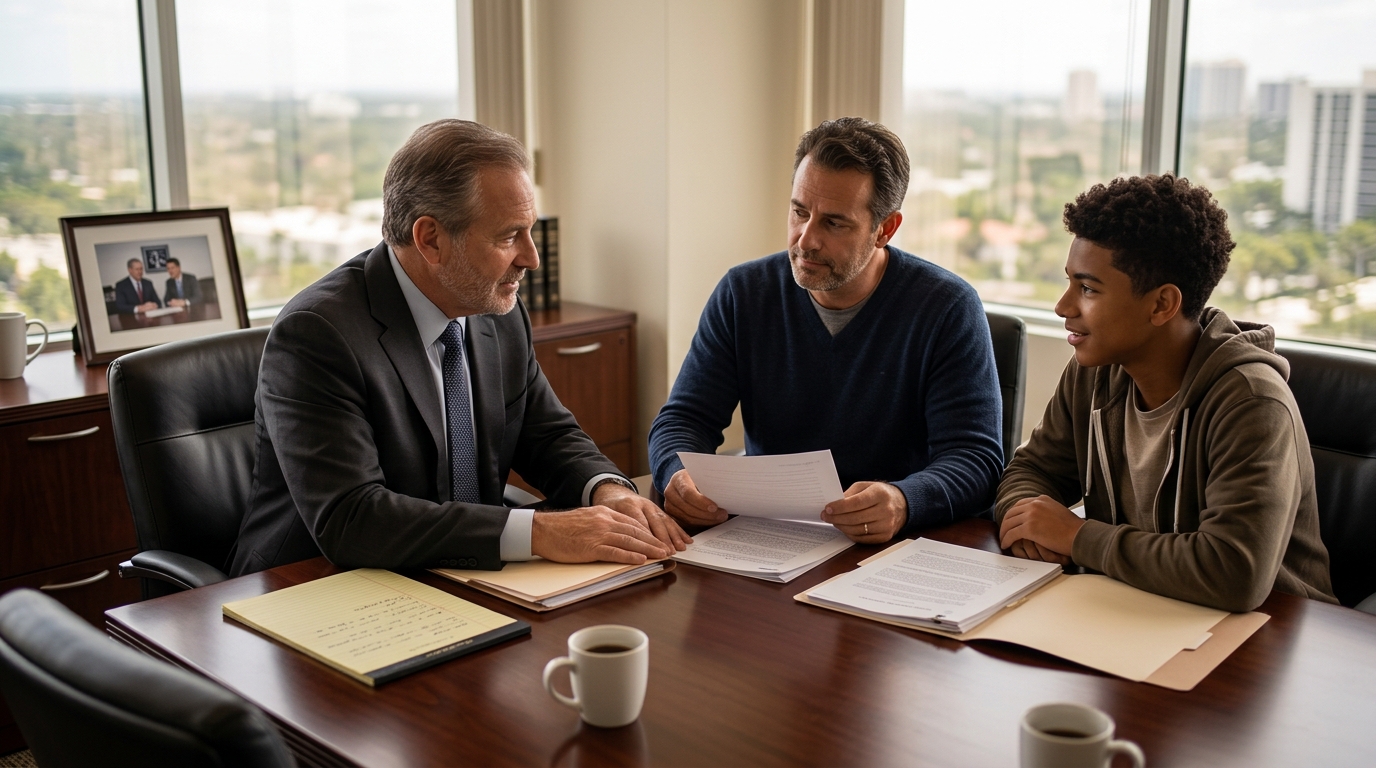
During your initial consultation, you should ask specific questions to gauge the attorney's expertise. Do not be afraid to ask about their track record. You want to know how many juvenile cases they have handled in the last year. Ask if they have experience with the specific charges your child faces. For instance, if your child is charged with a drug offense, ask about their experience with drug diversion programs. Also, ask about their approach to communication. You need an attorney who will keep you informed at every stage of the process.
Questions About Strategy
Ask the attorney to explain their initial strategy. Do they plan to file a motion to suppress evidence? Do they believe the case is strong enough to go to trial? A competent attorney will be honest about the strengths and weaknesses of the case. They should not promise a specific outcome, but they should explain the potential risks and benefits of different strategies. This transparency helps you make an informed decision.
How to Verify Credentials and Claims
It is essential to verify the credentials of any attorney you consider. You can check the Florida Bar website to ensure the attorney is in good standing. Look for any disciplinary actions or complaints. Additionally, verify their trial experience. While many attorneys claim to be "trial lawyers," you can ask for specific examples of cases they have taken to verdict. The Law Office of Adam K. Goodman, for example, has a history of trying over 80 cases to verdict, including complex criminal matters. This level of experience is a strong indicator of competence.
Checking Professional Affiliations
Professional affiliations can also be a sign of a serious attorney. Membership in organizations like the Florida Association of Criminal Defense Lawyers indicates a commitment to the field. You can also check for any awards or recognitions, but be cautious of self-awarded titles. Look for peer recognition and respect within the legal community. An attorney who is respected by prosecutors and judges often achieves better results for their clients.
How the Juvenile Justice Process Works
The juvenile justice process in Florida is distinct from the adult system. The focus is on rehabilitation rather than punishment. When a juvenile is arrested, they are taken into custody and booked. They must appear before a judge within a specific timeframe. The judge will determine if the juvenile should be released or detained. If the case proceeds, there is an arraignment where the juvenile enters a plea. The process can take several months, depending on the complexity of the case and the court's schedule.
Diversion Programs
Many juvenile cases are resolved through diversion programs. These programs allow the juvenile to avoid a formal adjudication by completing certain requirements, such as community service, counseling, or drug testing. Successful completion of a diversion program can lead to the dismissal of charges. This is a highly desirable outcome because it keeps the record sealed. The Law Office of Adam K. Goodman works diligently to get clients into these programs when appropriate.
What Juvenile Defense Costs
The cost of juvenile defense varies based on the complexity of the case. Factors that drive the price up include the severity of the charges, the amount of evidence, and the need for expert witnesses. A simple misdemeanor charge may cost less than a felony charge. Retainers are common in criminal defense. The attorney will require an upfront retainer, which is applied to the fees as work is performed. It is important to discuss fees openly during the initial consultation. Avoid attorneys who do not provide a clear fee agreement.
Payment Options
Many law firms offer payment plans to make legal services more accessible. You can ask about the availability of installment payments. Some firms may also accept credit cards or other payment methods. It is important to understand the total cost of the case, including any additional expenses like court costs or expert fees. Transparent billing is a sign of a professional firm.
Common Mistakes and How to Avoid Them
Parents often make mistakes that can harm their child's case. One common mistake is talking to the police. Juveniles should not speak to law enforcement without an attorney present. Another mistake is failing to seek legal representation immediately. The sooner an attorney is involved, the better the chances of a favorable outcome. Additionally, parents should avoid posting about the case on social media. This can be used as evidence against the juvenile.
Ignoring the Importance of Evidence
Another mistake is failing to review the evidence. An attorney will review all the evidence, including police reports, witness statements, and video footage. This review can reveal inconsistencies or violations of the juvenile's rights. If evidence was obtained illegally, it may be suppressed. This is a critical step that many parents overlook. By working with an experienced attorney, you ensure that all evidence is properly challenged.
Juvenile Defense Versus Alternatives
Some parents consider representing their child pro se or using a public defender. While public defenders are dedicated professionals, they often have high caseloads. This can limit the time they can spend on each case. A private attorney, such as those at The Law Office of Adam K. Goodman, can dedicate more time and resources to your child's case. Private representation allows for a more personalized approach and more aggressive advocacy. This can be a significant advantage in complex cases.
Public Defender vs. Private Counsel
Public defenders are appointed by the court if the family cannot afford private counsel. They are bound by the same ethical standards as private attorneys. However, the resource constraints of the public defender's office can be a disadvantage. Private counsel can hire experts, conduct thorough investigations, and file motions more quickly. This level of service is often crucial in high-stakes juvenile cases.
Defense Strategies for Specific Situations
The defense strategy depends on the specific charges. For example, if your child is charged with shoplifting, the defense may focus on lack of intent or consent. If the charge is for a drug offense, the defense may challenge the legality of the search. Each case is unique, and the strategy must be tailored to the facts. The Law Office of Adam K. Goodman has experience with a wide range of juvenile offenses, including theft, burglary, drug charges, and assault. This breadth of experience allows them to develop effective strategies for any situation.
Violent Offenses
Violent offenses are the most serious and carry the highest risk of transfer to adult court. In these cases, the defense must be particularly aggressive. The attorney will focus on mitigating factors, such as the juvenile's background, mental health, and potential for rehabilitation. They will also challenge the evidence and argue for a lesser charge if possible. The goal is to keep the juvenile in the juvenile system and achieve the best possible outcome.
Rules and Protections for Juveniles
Juveniles have specific rights and protections under Florida law. They have the right to an attorney, the right to remain silent, and the right to a fair trial. These rights are designed to protect minors from the harshness of the adult system. However, these rights can be waived if the juvenile is not properly advised. An attorney ensures that these rights are protected at every stage of the process. They also ensure that the juvenile is treated fairly and that the court considers all relevant factors.
Confidentiality of Records
One of the key protections for juveniles is the confidentiality of their records. Juvenile records are generally sealed and not accessible to the public. This helps protect the juvenile's privacy and future opportunities. However, certain serious offenses may be exceptions. An attorney can help ensure that the records are properly sealed and that the juvenile's privacy is protected. This is a critical aspect of juvenile defense that many parents do not understand.
Local Specifics for Hialeah and Miami-Dade
Hialeah is located in Miami-Dade County, which has one of the largest juvenile justice systems in the country. The local courts have specific procedures and judges who handle juvenile cases. An attorney who practices in this area understands these local specifics. They know which judges are more lenient and which are more strict. They also know the local prosecutors and their tendencies. This local knowledge is invaluable in achieving a favorable outcome. The Law Office of Adam K. Goodman is based in Miami and serves clients in Hialeah, Broward, and throughout South Florida.
Community Resources
There are also local community resources that can support juveniles. These include counseling centers, job training programs, and educational support. An attorney can connect the juvenile with these resources as part of a diversion program or as a condition of probation. This holistic approach helps the juvenile address the underlying issues that led to the criminal behavior. It also demonstrates to the court that the juvenile is committed to rehabilitation.
Timing and How It Changes Outcomes
Timing is critical in juvenile cases. The sooner you act, the better. If your child is arrested, you should contact an attorney immediately. Delays can result in missed opportunities, such as filing a motion to suppress evidence. Additionally, the juvenile's detention status can change based on timing. If the juvenile is detained, the attorney can file a bond hearing to secure their release. This allows the juvenile to continue their education and maintain their family ties. The Law Office of Adam K. Goodman is available 24/7 to assist with urgent matters.
Pretrial Release
Pretrial release is a key goal in many juvenile cases. Being released before trial allows the juvenile to prepare for their defense and maintain their normal life. The attorney will argue for release based on the juvenile's ties to the community, their lack of prior record, and the nature of the charges. Successful pretrial release can significantly improve the outcome of the case. It also reduces the stress and trauma associated with detention.
Results Over Time and Long-Term Impact
The results of a juvenile case can have a long-term impact on the individual's life. A conviction can affect future employment, education, and housing. However, a successful defense can minimize these impacts. By achieving a dismissal or a diversion, the juvenile can avoid a permanent record. This gives them a fresh start. The Law Office of Adam K. Goodman focuses on achieving the best possible long-term outcomes for their clients. They understand that the goal is not just to win the case, but to protect the juvenile's future.
Rehabilitation and Support
Long-term success also depends on rehabilitation. The attorney can help the juvenile access support services that address the root causes of their behavior. This may include mental health counseling, substance abuse treatment, or educational support. By addressing these issues, the juvenile is less likely to reoffend. This holistic approach is a hallmark of effective juvenile defense. It ensures that the juvenile has the tools they need to succeed in life.
Key Takeaways
- Choose an attorney with specific juvenile defense experience and local court knowledge.
- Verify credentials through the Florida Bar and check for disciplinary actions.
- Ask about the attorney's strategy and communication style during the consultation.
- Understand the juvenile justice process, including diversion programs and transfer hearings.
- Discuss fees openly and understand the factors that drive costs.
- Avoid common mistakes like talking to police or posting on social media.
- Act quickly to protect your child's rights and secure pretrial release.
- Focus on long-term outcomes, including rehabilitation and record sealing.
Frequently Asked Questions
What is the difference between juvenile and adult court?
Juvenile court focuses on rehabilitation, while adult court focuses on punishment. Juvenile records are generally sealed, and the process is less formal. However, serious offenses can be transferred to adult court.
Can a juvenile be tried as an adult in Florida?
Yes, prosecutors can initiate prosecution of a juvenile in adult court. This is known as a transfer hearing. An experienced attorney can fight this transfer and argue for the juvenile to remain in the juvenile system.
How long does a juvenile case take?
The timeline varies, but most cases take several months. It depends on the complexity of the case, the court's schedule, and whether the case goes to trial. Diversion programs can sometimes resolve cases faster.
What is a diversion program?
A diversion program allows a juvenile to avoid a formal adjudication by completing certain requirements. Successful completion leads to the dismissal of charges and a sealed record.
How much does juvenile defense cost?
Costs vary based on the complexity of the case. Retainers are common, and payment plans may be available. It is important to discuss fees openly with your attorney.
Should I let my child talk to the police?
No, your child should not talk to the police without an attorney present. They have the right to remain silent, and an attorney can protect their rights.
Can juvenile records be expunged?
Yes, juvenile records are generally sealed and can be expunged after a certain period. This helps protect the juvenile's future opportunities.
Conclusion
Navigating the juvenile justice system can be overwhelming, but you do not have to do it alone. The Law Office of Adam K. Goodman provides expert juvenile crime defense in Hialeah and throughout South Florida. With a dedicated focus on criminal defense and extensive trial experience, the firm is committed to protecting your child's rights and future. To schedule a consultation, today.