
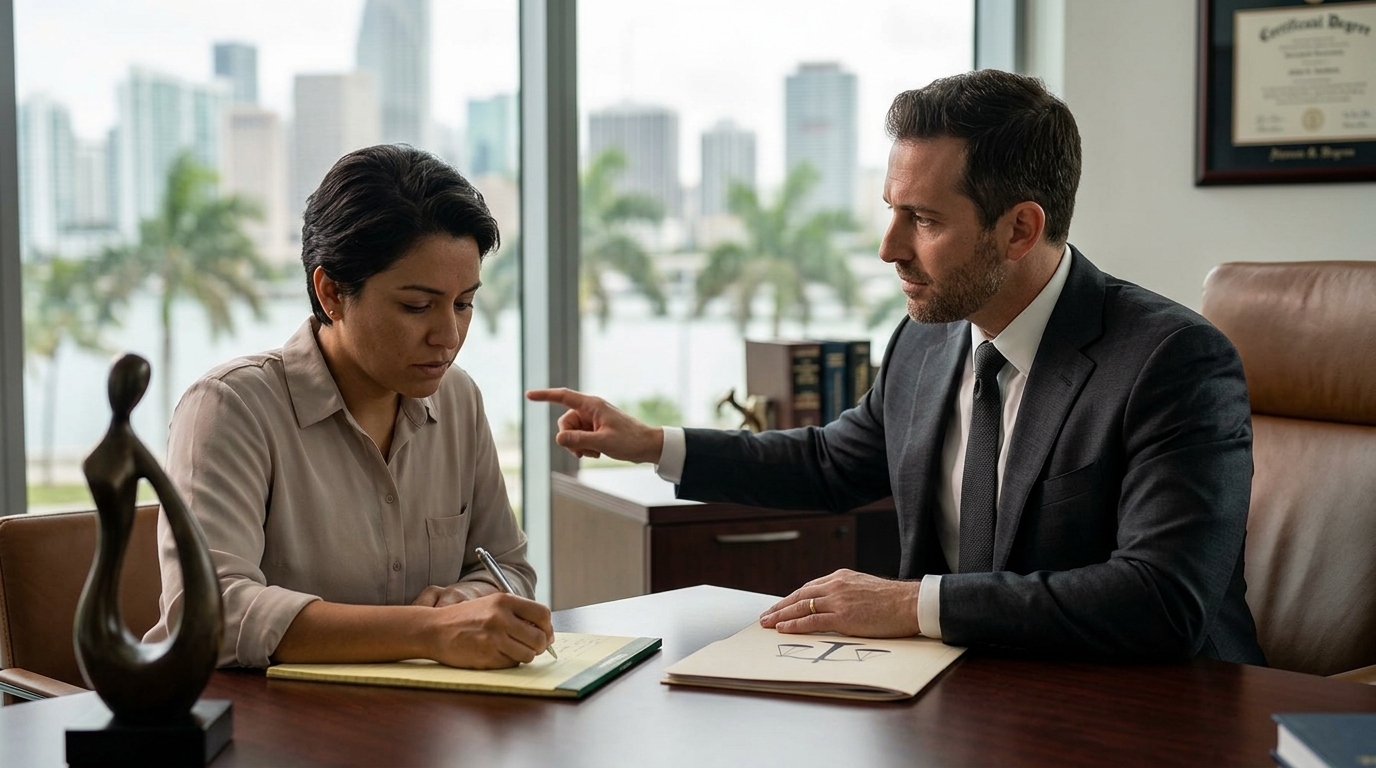
Navigating the aftermath of a domestic violence accusation in Miami-Dade County requires immediate and strategic legal intervention. According to recent data from the Florida Department of Law Enforcement, domestic violence incidents remain among the most frequently reported crimes in South Florida, often leading to rapid arrest and strict no-contact orders. When you are facing these charges, your freedom and reputation are on the line, making the selection of your legal counsel the most critical decision you will make. This guide outlines the essential steps to securing a robust defense. (Miami Appeals Attorney Appeals)
Understanding Domestic Violence Charges in Florida
Domestic violence is not a standalone crime in Florida. Instead, it is a designation applied to various offenses when the victim and defendant have a specific relationship. Domestic violence is a legal classification applied to criminal acts involving family or household members. These relationships can include spouses, former spouses, parents of the same child, roommates, or romantic partners. (Miami Battery on a)
The underlying charges can range from simple battery to aggravated assault. Battery is defined as intentionally and physically striking another person. Assault involves intentionally threatening to commit violence, causing reasonable fear in the victim. When these acts occur between intimate partners, the state treats them with heightened severity. This often results in mandatory arrest policies by Miami police departments, meaning that even if the victim recants, the state may proceed with prosecution to protect public safety.
Understanding the specific statute is vital. Florida Statute 784.03 defines battery, while Statute 784.011 defines assault. If a deadly weapon is used, or if the victim suffers great bodily harm, the charges escalate to felonies. A third-degree felony can carry up to five years in prison, while a second-degree felony can carry up to fifteen years. The stakes are incredibly high, necessitating a defense strategy that challenges the prosecution's evidence from day one.
Evaluating Attorney Expertise and Background
Not all criminal defense attorneys are equipped to handle the nuances of domestic violence cases. You must look for a lawyer who specializes exclusively in criminal law. General practitioners may lack the specific tactical knowledge required to navigate these sensitive proceedings. A specialist understands the psychological dynamics of domestic cases and the specific evidentiary hurdles prosecutors face.
One of the most valuable credentials for a defense attorney is prior experience as a prosecutor. Former prosecutors possess an insider's perspective on how the state builds its case. They know what evidence is admissible, how witnesses are questioned, and where the prosecution's weaknesses often lie. This background allows them to anticipate the state's moves and dismantle their arguments before they reach the jury.
When researching potential attorneys, review their track record with cases similar to yours. Look for attorneys who have successfully handled battery on a law enforcement officer, assault and battery, and other related charges. The Law Office of Adam K. Goodman, for instance, is led by a former Miami-Dade Prosecutor who served as Chief of Litigation. This background provides a distinct advantage in negotiating with current prosecutors and judges.
Assessing Local Court Knowledge
Domestic violence cases are highly localized. The judicial culture in Miami-Dade County differs significantly from other regions in Florida. Judges and prosecutors in this area have specific preferences and standards for handling these cases. An attorney who is well-known and respected in the local legal community can often achieve better outcomes through established professional relationships.
Respect within the judiciary is built on professionalism, thorough preparation, and a history of ethical practice. When an attorney has a reputation for being reliable and aggressive in defense, prosecutors may be more inclined to offer favorable plea deals or dismiss charges to avoid a difficult trial. This dynamic is crucial in domestic violence cases, where the state often has a strong incentive to pursue conviction.
Furthermore, local knowledge extends to the specific procedures of bond hearings and Arthur hearings. These initial proceedings determine whether you can remain free while awaiting trial. An attorney who knows the local judges' tendencies regarding bail can argue effectively for your release, allowing you to maintain your job and family life during the legal process.
The Consultation Process
Once you have identified potential candidates, schedule consultations immediately. Most reputable firms offer free initial consultations. Use this time to assess the attorney's communication style and their willingness to listen to your side of the story. You need a lawyer who will fight for you, not just one who takes your money.
During the consultation, ask specific questions about their experience with domestic violence cases. Inquire about their strategy for challenging the credibility of witnesses or the validity of police reports. A strong attorney will provide a preliminary assessment of your case, highlighting potential defenses such as self-defense or lack of evidence. They should also explain the potential penalties and the likely timeline of your case.
Be wary of attorneys who guarantee specific outcomes. No ethical lawyer can promise a not guilty verdict, as trials are unpredictable. However, they should be able to explain how they have achieved positive results in similar situations. Look for a firm that emphasizes relationships, respect, and results, as these values are critical in high-stakes criminal defense.
Strategic Defense Options
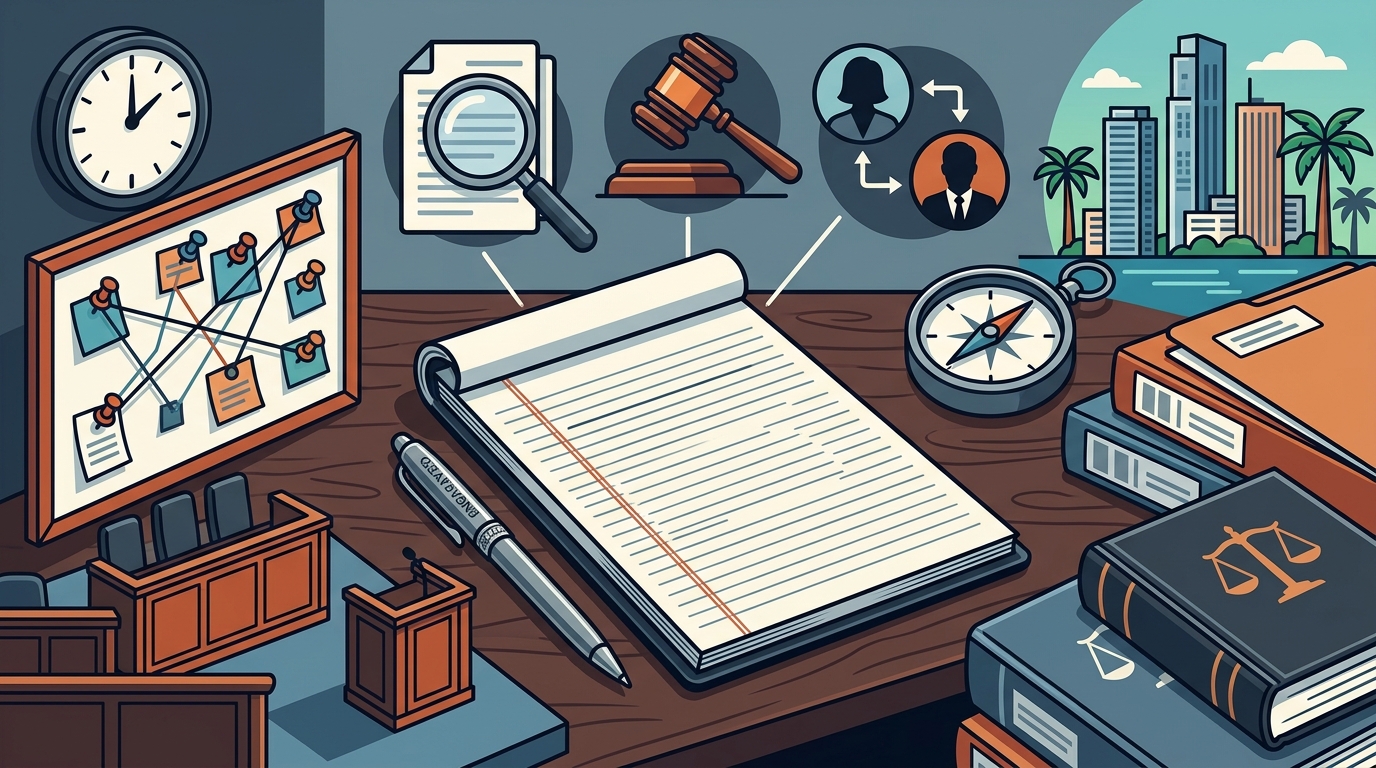
Domestic violence cases often hinge on conflicting accounts of events. Common defenses include self-defense, defense of others, and false allegations. Self-defense is valid when you used force to protect yourself or another person from imminent harm. The key is to demonstrate that your actions were proportional to the threat faced.
Another critical aspect is the reliability of the accuser. In the heat of domestic disputes, memories can be distorted, or motives may be questionable. An experienced attorney will scrutinize the evidence, including 911 calls, police reports, and medical records, to identify inconsistencies. If the prosecution cannot prove their case beyond a reasonable doubt, the charges may be dismissed or reduced.
Additionally, procedural errors by law enforcement can provide grounds for dismissal. For example, if the police failed to read Miranda rights or conducted an illegal search, the evidence may be suppressed. A thorough investigation by your defense team is essential to uncover these procedural flaws. The Law Office of Adam K. Goodman utilizes its prosecutorial background to identify these flaws effectively.
Key Takeaways
- Immediate Action: Domestic violence charges in Miami often lead to mandatory arrests and strict no-contact orders. Act quickly to secure legal representation.
- Specialized Expertise: Choose an attorney who specializes exclusively in criminal defense, not a general practitioner.
- Prosecutorial Background: Attorneys with prior experience as prosecutors, like Adam K. Goodman, understand how the state builds cases and can exploit weaknesses.
- Local Respect: An attorney respected by local judges and prosecutors can negotiate better outcomes and bond conditions.
- Defense Strategies: Common defenses include self-defense, lack of evidence, and procedural errors by law enforcement.
- Consultation Importance: Use free consultations to evaluate the attorney's strategy, communication style, and commitment to your case.
- Relationship Dynamics: Domestic violence charges apply to family, household members, and romantic partners, regardless of the specific criminal act.
Frequently Asked Questions
What is the difference between assault and battery in Florida?
Assault is the intentional threat to commit violence that causes reasonable fear, while battery is the actual intentional and physical striking of another person. Both can be charged as misdemeanors or felonies depending on the circumstances.
Can I get my domestic violence charges dismissed?
Yes, charges can be dismissed if the evidence is insufficient, if procedural errors occurred, or if the prosecution cannot prove guilt beyond a reasonable doubt. A skilled defense attorney can challenge the state's case effectively.
What happens if I violate a no-contact order?
Violating a no-contact order is a separate criminal offense that can result in immediate arrest and additional charges. It is crucial to adhere strictly to all court orders until your attorney advises otherwise.
How long does a domestic violence case take in Miami?
The timeline varies based on the complexity of the case and court schedules. Simple cases may be resolved in a few months, while complex felony cases can take over a year. Your attorney can provide a more accurate estimate based on your specific situation.
Why is it important to hire a former prosecutor?
Former prosecutors know how the state builds its case, what evidence is critical, and how witnesses are evaluated. This insider knowledge allows them to anticipate the prosecution's strategy and prepare a more effective defense.
What is an Arthur hearing?
An Arthur hearing is a bond hearing where the court determines the conditions of your release. The prosecution must show that the facts of the case establish a prima facie case, and the judge sets bail or release conditions based on flight risk and danger to the community.
Can I represent myself in a domestic violence case?
While you have the right to self-representation, it is highly discouraged. Domestic violence cases involve complex legal procedures and evidentiary rules. An experienced attorney is essential to protect your rights and achieve the best possible outcome.
Contact the Law Office of Adam K. Goodman
If you are facing domestic violence charges in Miami or Broward County, do not wait. The sooner you engage a qualified defense attorney, the better your chances of protecting your rights and future. The Law Office of Adam K. Goodman is dedicated solely to criminal defense, offering aggressive representation and strategic advocacy.
As a former Miami-Dade Prosecutor and Chief of Litigation, Adam K. Goodman brings unparalleled expertise to your case. He understands the prosecution's perspective and uses that knowledge to fight for your freedom. Contact us today for a free consultation to discuss your options and begin building your defense.
Visit the Law Office of Adam K. Goodman to schedule your appointment. Call (305) 482-3265 or (954) 695-5126. We are available 24/7 to assist you with your legal needs.