

Having a criminal record in Florida can significantly impact your employment prospects, housing opportunities, and professional licensing. The good news is that Florida law provides specific mechanisms to hide or erase this history, but the process is strictly regulated. According to recent legal analyses, only a small fraction of eligible applicants successfully navigate the complex bureaucratic requirements without legal assistance. This guide explains how to seal or expunge a criminal record in Miami, detailing the legal distinctions, eligibility rules, and the strategic advantages of working with a former prosecutor. (Criminal Defense Attorney Miami)
Understanding the Difference Between Sealing and Expunging
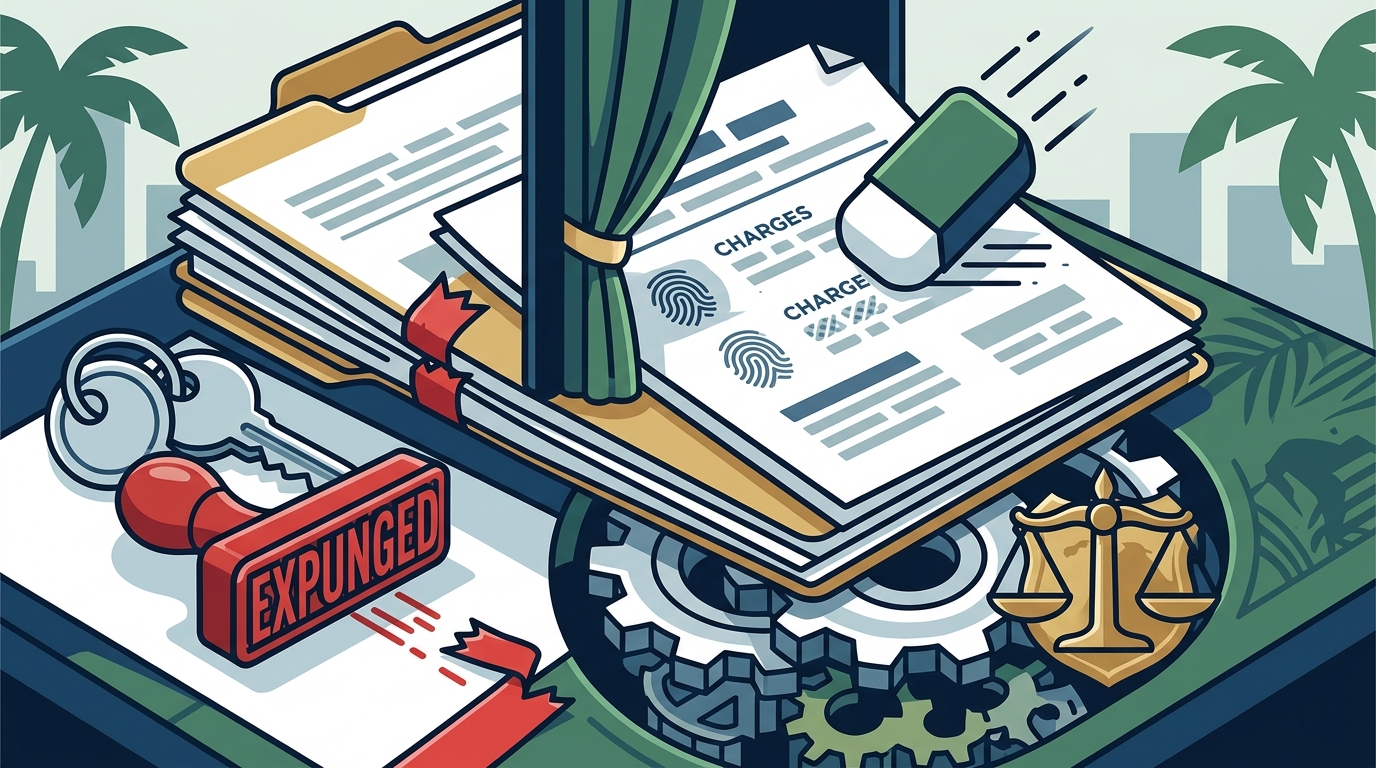
Many individuals in Miami confuse these two legal remedies, but they have distinct outcomes. Sealing a record means the information is hidden from the public, including most employers and landlords. However, certain government agencies, law enforcement, and licensing boards can still access sealed records. Expunging a record goes further by physically destroying or erasing the records from most state and local databases. For most criminal cases in Florida, sealing is the primary remedy available, while expungement is reserved for specific scenarios, such as arrests where no charges were filed or cases that were dismissed. (Miami Assault and Battery)
The distinction is critical because it determines who can see your history. If you are seeking to hide your past from the general public, sealing is often the most viable path. If you need to erase the record entirely for specific licensing purposes, expungement may be necessary. Understanding which remedy applies to your situation is the first step in reclaiming your future.
Eligibility Requirements for Relief
Florida Statute 901.318 governs the eligibility for both sealing and expunging. To qualify, you must meet several strict criteria. First, you must not have ever previously sealed or expunged any criminal record in Florida or any other jurisdiction. This is a one-time opportunity. Second, you must not have been convicted of any crime, including guilty pleas or nolo contendere pleas. Third, you must not have been adjudicated guilty of any criminal offense, even if the adjudication was withheld.
Additionally, you must have received a lawful offer of clemency or pardon from the Governor and Cabinet of Florida, or your case must have resulted in a dismissal, no true bill, or acquittal. If you were arrested but never charged, or if the charges were dropped, you may be eligible for expungement. If you pleaded guilty or no contest but the adjudication was withheld, you may be eligible for sealing. The Law Office of Adam K. Goodman specializes in evaluating these nuanced eligibility criteria to determine the best course of action for your specific case.
Offenses That Prohibit Relief
Not all criminal charges are eligible for sealing or expungement. Florida law explicitly prohibits relief for certain serious offenses. These include crimes involving sexual misconduct, child abuse, elder abuse, domestic violence, and offenses involving violence or the use of a weapon. If your arrest or charge involves any of these prohibited offenses, you are generally ineligible for relief regardless of the outcome of the case.
For example, if you were charged with assault or battery, even if the case was dismissed, you may still be ineligible if the incident involved domestic violence. Similarly, drug trafficking charges often carry prohibitions that prevent sealing or expungement. It is essential to have a legal expert review your criminal history to identify any potential bars to relief. A former prosecutor understands how these prohibitions are applied by the Florida Department of Law Enforcement (FDLE) and the courts.
The Application Process in Miami-Dade
The process for sealing or expunging a record in Miami involves several steps. First, you must apply for a Certificate of Eligibility from the Florida Department of Law Enforcement (FDLE). This application requires detailed personal information, fingerprints, and a fee. The FDLE will conduct a background check to determine if you are eligible. If approved, you receive a Certificate of Eligibility, which is valid for 365 days.
Next, you must file a petition in the circuit court where the arrest or prosecution occurred. In Miami-Dade County, this involves filing the petition with the court and serving a copy to the State Attorney's Office and the Florida Department of Corrections. The State Attorney will have the opportunity to object to your petition. If they do not object, or if the judge agrees with your petition, the court will issue an order granting the relief. Finally, you must distribute copies of the court order to all agencies that held your records to ensure they comply with the sealing or expungement.
This process is complex and time-consuming. Errors in the application or petition can lead to denial or delays. Working with an experienced attorney ensures that all paperwork is filed correctly and that you meet all deadlines. The Law Office of Adam K. Goodman handles the entire process, from the FDLE application to the final court order, allowing you to focus on moving forward with your life.
Why Former Prosecutor Experience Matters
Choosing the right attorney for your sealing or expungement case is crucial. Adam K. Goodman is a former Miami-Dade Prosecutor and Chief of Litigation. This background provides him with unique insights into how the State Attorney's Office evaluates petitions and what arguments are most effective in court. He knows the judges and prosecutors in Miami-Dade, Broward, and Hialeah, which can facilitate smoother negotiations and faster resolutions.
His experience allows him to identify potential issues in your case that a layperson might miss. For instance, he can determine if a prior conviction, even if unrelated, might bar your eligibility. He can also advise you on the strategic implications of sealing versus expunging based on your specific career goals. This level of expertise is invaluable in navigating the criminal justice system successfully.
Key Takeaways
- One-Time Opportunity: You can only seal or expunge a criminal record once in your lifetime in Florida.
- No Convictions: You must not have been convicted of any crime, including guilty pleas, to be eligible.
- Prohibited Offenses: Crimes involving violence, sexual misconduct, or child abuse are generally ineligible for relief.
- FDLE Certificate: You must first obtain a Certificate of Eligibility from the Florida Department of Law Enforcement.
- Strict Deadlines: The Certificate of Eligibility is valid for only 365 days, so you must file your petition quickly.
- Former Prosecutor Advantage: Adam K. Goodman's background as a former prosecutor provides strategic insights into the local legal system.
- Professional Help: Navigating the process without legal assistance can lead to errors and denial of your petition.
Frequently Asked Questions
How long does it take to seal or expunge a record in Miami?
The process typically takes several months. It includes the time to obtain the FDLE Certificate of Eligibility, which can take weeks, and the time to file and litigate the petition in court. Delays can occur if the State Attorney objects or if the court's docket is busy.
Can I seal a record if I pleaded guilty?
In most cases, no. To be eligible for sealing, you generally must not have pleaded guilty or no contest to any crime. If you pleaded guilty, even with withheld adjudication, you are usually ineligible for sealing. Expungement is also typically unavailable if you pleaded guilty.
What is the difference between sealing and expunging?
Sealing hides your record from the public, but government agencies can still see it. Expunging erases the record as if it never happened, destroying the records from most databases. Expungement is generally available only for arrests where no charges were filed or cases that were dismissed.
How much does it cost to seal or expunge a record?
The costs include the FDLE application fee, court filing fees, and attorney fees. The FDLE fee is currently $75. Court filing fees vary by county. Attorney fees depend on the complexity of the case. The Law Office of Adam K. Goodman offers transparent pricing during your consultation.
Will sealing my record hide it from all employers?
Sealing hides your record from most private employers, landlords, and the general public. However, government agencies, law enforcement, and certain licensing boards (such as those for healthcare, law, and education) can still access sealed records.
Can I seal a record if I have prior convictions?
If you have ever previously sealed or expunged a criminal record in Florida or any other jurisdiction, you are permanently ineligible for further sealing or expungement. Additionally, certain prior convictions may bar you from eligibility even if you have not previously sealed a record.
What should I do if my FDLE application is denied?
If your FDLE application is denied, you may have the right to appeal the decision. An experienced attorney can review the denial reason and determine if an appeal is viable or if there are other legal remedies available.
Contact the Law Office of Adam K. Goodman
Do not let a criminal record define your future. If you are eligible to seal or expunge your record in Miami, taking action quickly is essential. The Law Office of Adam K. Goodman is dedicated to helping clients navigate this complex process with precision and care. As a former prosecutor, Adam K. Goodman brings unparalleled expertise to your case.
Contact us today for a free consultation. Call (305) 482-3265 or (954) 695-5126 to schedule your appointment. Visit our Contact Us page to send a message directly. Let us help you move forward with confidence.