
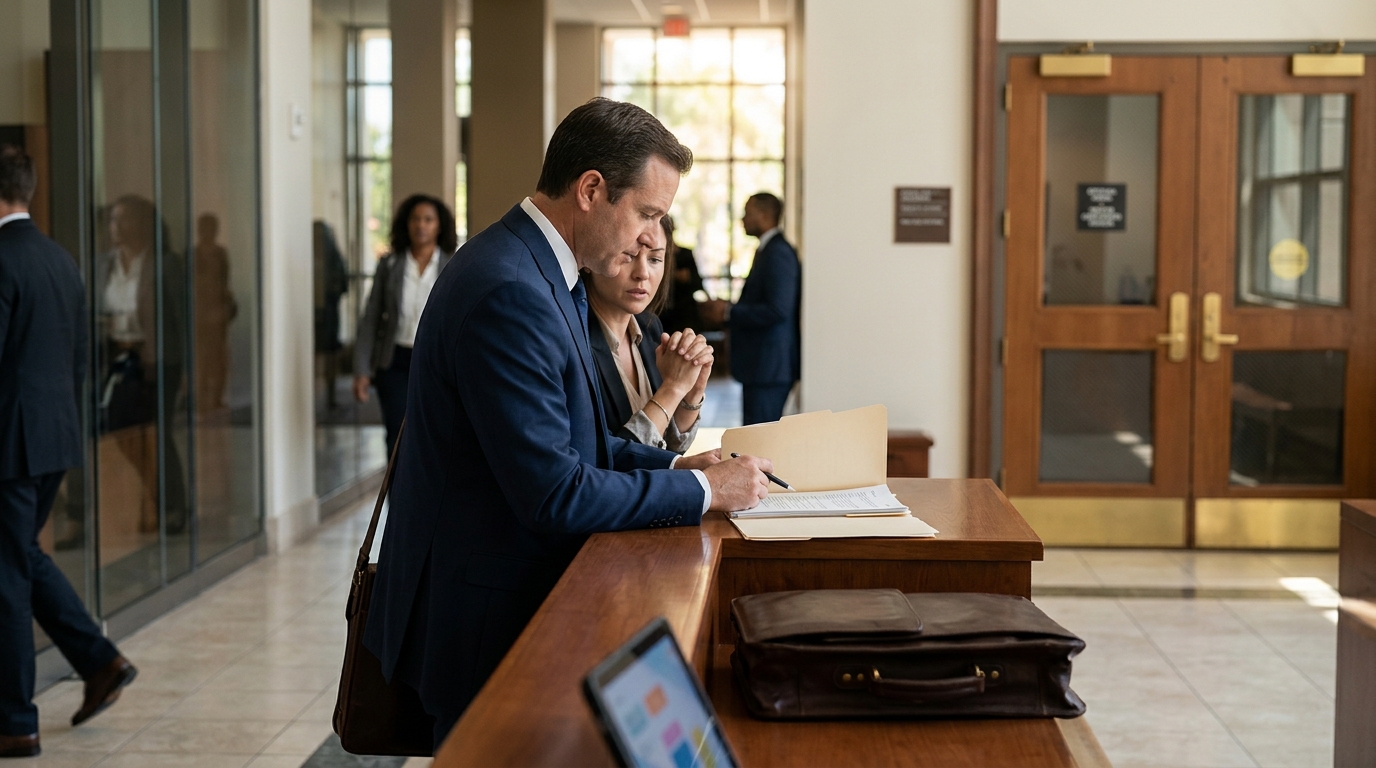
Step-by-Step Guide to Preparing for Your Miami Bond Hearing with Criminal Defense Counsel
Being arrested in Miami-Dade County is a traumatic and disorienting experience that can instantly upend your life. The clock starts ticking immediately, and the first critical legal milestone is the bond hearing. According to recent legal data, the majority of defendants who secure favorable bond terms have legal representation present before the judge even enters the courtroom. This guide outlines the precise steps to prepare for your Miami bond hearing, ensuring your constitutional rights are protected from the moment of arrest.
Understanding the Bond Hearing Process
A bond hearing, often referred to as an Arthur Hearing in Florida, is a preliminary proceeding where a judge determines if and how much bail should be set. The primary goal is to ensure your appearance at future court dates while balancing public safety concerns. In Miami-Dade County, these hearings are typically scheduled within 24 to 48 hours of your initial arrest.
The judge will review the charges against you, the strength of the evidence, and your criminal history. If the charges are severe, such as capital felonies, the burden may shift to you to prove that your release does not pose a danger to the community. Understanding the specific standards of review is crucial. For discretionary rulings, the judge applies an abuse of discretion standard, while questions of law are reviewed de novo. This distinction matters because it defines the scope of what can be argued during the hearing.
At the Law Office of Adam K. Goodman, we specialize in navigating these complex procedural waters. Our approach ensures that every procedural nuance is addressed before the judge makes a ruling. We analyze the prosecution's case to identify weaknesses that can be leveraged to lower your bond or secure your release entirely.
Gathering Character and Community Evidence
One of the most effective ways to influence a bond hearing outcome is through character evidence. Judges in Miami are more likely to grant favorable bond terms to defendants who have strong ties to the community and a stable support system. This step involves collecting affidavits, letters of recommendation, and documentation of your community involvement.
Start by identifying individuals who can vouch for your character. These should include employers, family members, religious leaders, and long-time friends. Each letter should be specific, detailing your responsibilities, your history of compliance with laws, and your reasons for seeking release. Vague statements are less effective than concrete examples of your reliability and integrity.
Additionally, gather proof of your community ties. This can include property deeds, lease agreements, utility bills, and employment records. If you have volunteered for local organizations, provide certificates or letters from those groups. This documentation helps the judge see you as a resident of Miami-Dade County rather than a flight risk. For more insights on building a defense, review our comprehensive legal resources.
Financial Preparation and Surety Options
Even if you have strong character evidence, you must be prepared to meet the financial requirements of the bond. In Florida, bail can be posted in cash, by property, or through a bail bond agent. Understanding the financial implications is a critical part of your preparation.
If you choose to use a bail bond agent, you will typically pay a non-refundable premium, usually 10% of the total bond amount. For example, if your bond is set at $100,000, you would pay $10,000 to the bondsman. This agent then posts a surety bond with the court, guaranteeing your appearance. It is essential to have a reputable bondsman who understands the local court system and can expedite your release.
Alternatively, you may have family or friends willing to post cash bail or use real estate as collateral. Real estate bonds require the property to be located in Florida and have sufficient equity to cover the bond amount. The court will place a lien on the property until the case is resolved. We can guide you through the attorney bio and experience to understand how our firm assists clients in navigating these financial hurdles.
Developing a Legal Defense Strategy
Your legal counsel plays a pivotal role in shaping the narrative presented to the judge. A strong defense strategy goes beyond simply asking for a lower bond. It involves challenging the prosecution's evidence and highlighting mitigating factors that support your release.
Our team at Adam K. Goodman Law meticulously reviews the arrest report and witness statements for inconsistencies. We look for procedural errors, such as illegal searches or violations of your Miranda rights, which can weaken the prosecution's case and strengthen your position for bond reduction. By demonstrating that the state's case may be flawed, we create leverage for a more favorable bond outcome.
We also prepare a detailed motion for bond reduction, citing relevant Florida statutes and case law. This document outlines your ties to the community, your lack of prior criminal history, and the circumstances of your arrest. A well-crafted motion can significantly influence the judge's decision. For a deeper understanding of our legal philosophy, visit our attorney bio page.
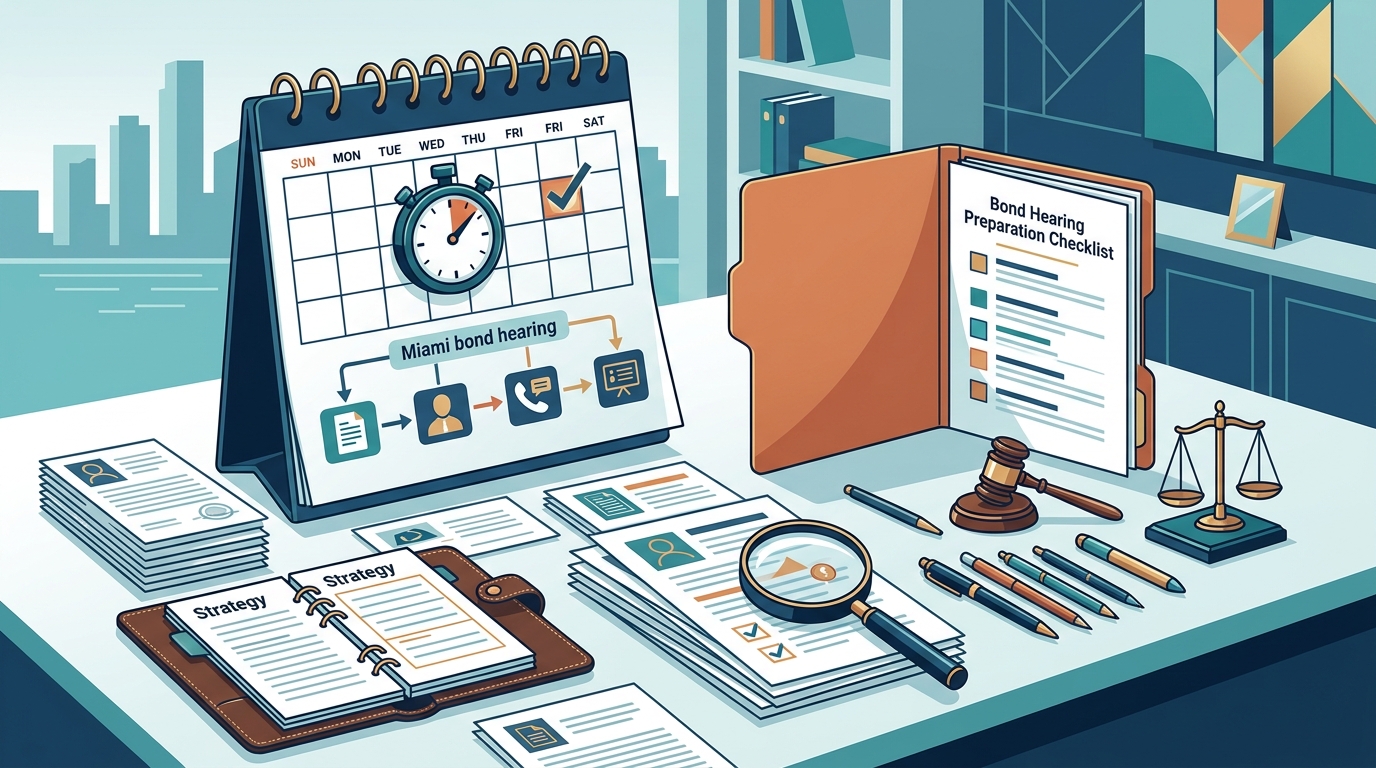
Courtroom Conduct and Etiquette
First impressions matter in the courtroom. Your behavior during the bond hearing can subtly influence the judge's perception of your reliability and respect for the legal system. Dressing appropriately is the first step. Avoid casual clothing, hats, or sunglasses. Business casual or formal attire demonstrates that you take the proceedings seriously.
Arrive at the Miami-Dade County Courthouse well before your scheduled hearing time. Traffic in Miami can be unpredictable, and being late can result in a bench warrant for your arrest. Once inside, maintain a calm and respectful demeanor. Do not speak to the prosecution or other defendants in the hallway. Your attorney will handle all communications.
During the hearing, listen carefully to the judge's questions and your attorney's arguments. Nod in agreement and avoid interrupting. If you are asked to speak, keep your responses concise and truthful. Your conduct in the courtroom is a direct reflection of your character and can impact the bond amount set. For more information on our practice areas, explore our assault and battery defense services.
Post-Hearing Next Steps
After the bond hearing, the judge will issue a ruling. If the bond is set, you or your bondsman must post the required amount immediately to secure your release. Once released, you must comply with all conditions set by the court, such as regular check-ins with a pretrial services officer or maintaining no-contact orders.
Failure to comply with these conditions can result in the revocation of your bond and re-arrest. It is crucial to stay in close contact with your legal counsel throughout this period. We will monitor your case progress and prepare for the next stages of the criminal justice process. For updates on legal insights, check our blog regularly.
If the bond is denied, your attorney can file a motion for reconsideration or appeal the decision. This requires immediate action and a strong legal argument. Our team is available 24/7 to assist you with these urgent matters. Contact us at (305) 482-3265 for immediate assistance.
Key Takeaways
- Speed is Critical: Bond hearings in Miami-Dade County typically occur within 24 to 48 hours of arrest. Delaying legal representation can negatively impact your outcome.
- Character Evidence Matters: Affidavits and community ties are powerful tools for reducing bond amounts and proving you are not a flight risk.
- Financial Options Vary: You can post cash bail, use a bail bond agent, or pledge real estate. Each option has distinct financial and legal implications.
- Legal Strategy is Key: Challenging the prosecution's evidence and citing relevant case law can significantly influence the judge's decision on your bond.
- Courtroom Conduct: Dressing appropriately and maintaining a respectful demeanor can positively influence the judge's perception of your character.
- Compliance is Mandatory: Violating bond conditions can lead to re-arrest. Strict adherence to court orders is essential for your freedom.
- Expert Representation: Having a former prosecutor on your side provides a strategic advantage in navigating the complexities of Florida's criminal justice system.
Frequently Asked Questions
What is an Arthur Hearing in Florida?
An Arthur Hearing is the formal name for a bond hearing in Florida. It is a proceeding where a judge determines the amount of bail, if any, that must be posted for a defendant to be released from custody while awaiting trial.
How long do I have to post bail after a bond hearing?
There is no strict statutory deadline, but you should post bail as soon as possible to secure your release. Delays can result in continued incarceration. Your attorney can help expedite the process by working with the court clerk and your bondsman.
Can I get my bond reduced if I have a job in Miami?
Yes, having a stable job is a strong mitigating factor. It demonstrates community ties and financial stability, which can persuade the judge that you are less likely to flee. Provide employment verification documents to your attorney for submission to the court.
What happens if I cannot afford the full bond amount?
If you cannot afford the full amount, you can use a bail bond agent. You will pay a non-refundable premium, typically 10% of the bond, and the agent will post the full amount. Alternatively, you may use real estate as collateral.
Do I need a lawyer for my bond hearing?
While you are not legally required to have a lawyer, it is highly advisable. An experienced criminal defense attorney can challenge the prosecution's evidence, present character witnesses, and argue for a lower bond based on legal precedents.
Can the judge deny my bond entirely?
Yes, for certain severe charges, such as capital felonies or cases where the defendant poses a significant danger to the community, the judge may deny bond. In such cases, your attorney can file a motion for reconsideration or appeal the decision.
How does a former prosecutor help in a bond hearing?
A former prosecutor understands how the state builds its case and what arguments are most effective. This insider knowledge allows for a more strategic defense, identifying weaknesses in the prosecution's position and leveraging them for a favorable bond outcome.
Secure Your Freedom Today
Navigating a bond hearing in Miami requires immediate action and expert legal guidance. The Law Office of Adam K. Goodman is dedicated to protecting your rights and securing your release. With years of experience as a former Miami prosecutor, we know how to fight for you. Contact us today at (305) 482-3265 or visit our contact page to schedule a free consultation. Your future depends on the decisions you make now.