

Being arrested is a traumatic and disorienting experience that can upend your life in seconds. In Miami-Dade County, the legal process moves quickly, and the decisions you make in the first few hours can determine the outcome of your case. According to recent criminal justice data, the majority of individuals facing charges in this region are unaware of their constitutional rights until it is too late to effectively challenge the prosecution's evidence. This guide outlines the critical stages of the criminal justice process, from the moment of arrest to the final resolution, providing you with the knowledge needed to protect your future.
The Arrest and Booking Process
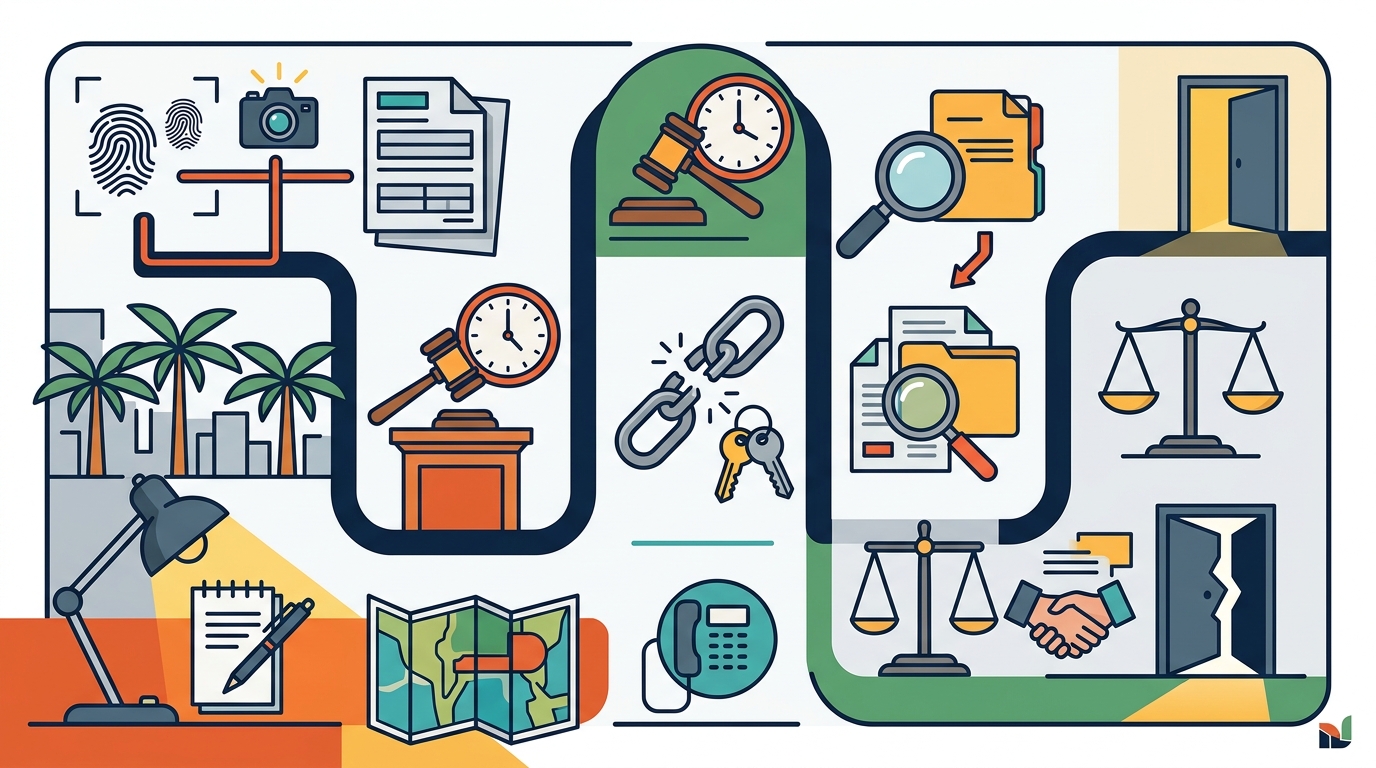
The journey through the criminal justice system begins with the arrest. In Miami-Dade County, law enforcement officers must have probable cause to believe you committed a crime. Once arrested, you are taken to a booking facility where your personal information is recorded, fingerprints are taken, and a photograph is captured. This process is administrative and does not imply guilt.
During this time, it is crucial to remain silent. Anything you say can be used against you, even if you believe you are innocent. Police officers are not required to read you your Miranda rights until you are in custody and about to be interrogated. However, exercising your right to remain silent immediately upon arrest is the safest course of action. For more information on specific charges, such as Assault and Battery, understanding the initial interaction with law enforcement is vital.
The Initial Appearance and Bond Hearings
Within 24 hours of your arrest, you will typically have your initial appearance before a judge. This is often referred to as an Arthur Hearing in Florida. The judge will inform you of the charges against you and determine if there is probable cause to hold you. This is also the stage where bond is set.
Bond is the amount of money you must pay to be released from jail while awaiting trial. The judge considers factors such as the severity of the crime, your criminal history, and your ties to the community when setting bond. If you cannot afford the full amount, you may work with a bail bondsman. However, for complex cases, such as those involving Bond Hearings, legal representation can help argue for a lower bond or release on your own recognizance.
Arraignment and Entering a Plea
After the initial appearance, you will have an arraignment. This is a formal court proceeding where you are asked to enter a plea of guilty, not guilty, or no contest. Most defendants enter a plea of not guilty to preserve their options for defense. Entering a guilty plea at this stage can waive your right to a trial and result in immediate sentencing.
It is highly advisable to consult with a criminal defense attorney before entering any plea. An experienced lawyer can review the facts of your case and advise you on the best strategy. For those facing serious charges, such as Drug Charges, the stakes are particularly high, and a misstep at arraignment can have long-lasting consequences.
Discovery and Evidence Review
Once a not guilty plea is entered, the discovery process begins. This is the phase where the prosecution must share all evidence they have gathered against you. This includes police reports, witness statements, video footage, and forensic analysis. Your attorney will meticulously review this evidence to identify any weaknesses or procedural errors in the state's case.
During this stage, your lawyer may file motions to suppress evidence if it was obtained illegally. For example, if the search warrant was invalid or your rights were violated during the arrest, the evidence may be excluded from trial. Understanding the nuances of Federal Crimes versus state charges is also critical, as the discovery rules and timelines can differ significantly.
Pre-Trial Motions and Negotiations
After discovery, your attorney will engage in plea negotiations with the prosecutor. The goal is to reach a favorable plea agreement that minimizes penalties, such as reduced charges or probation instead of jail time. However, not all cases result in plea deals. If the prosecution is unwilling to negotiate or if the evidence is strong, your case may proceed to trial.
Your attorney will prepare a robust defense strategy, which may include hiring expert witnesses, conducting independent investigations, and challenging the credibility of prosecution witnesses. For cases involving Domestic Violence, the emotional and legal complexities require a specialized approach to ensure your rights are protected.
Trial and Verdict
If your case goes to trial, it will be heard by a judge or a jury. The prosecution must prove your guilt beyond a reasonable doubt. Your attorney will present your defense, cross-examine witnesses, and argue the law to the jury. The outcome of the trial can result in acquittal, conviction, or a mistrial.
If convicted, you will face sentencing, which can include jail time, fines, probation, or restitution. In some cases, you may have the right to appeal the conviction. For more details on the appeals process, visit our page on Appeals Defense.
Key Takeaways
- Right to Silence: You have the right to remain silent during arrest and interrogation. Use it.
- Arthur Hearing: Your bond is set within 24 hours. Legal representation can influence this outcome.
- Discovery Rights: The prosecution must share all evidence. Your attorney will use this to build your defense.
- Plea Bargains: Most cases are resolved through plea negotiations. Do not accept a deal without legal advice.
- Trial Rights: You have the right to a fair trial by jury. Your attorney will advocate for your innocence.
- Appeal Options: If convicted, you may have grounds to appeal based on legal errors.
- Legal Counsel: Hire an experienced Miami-Dade criminal defense attorney immediately after arrest.
Frequently Asked Questions
How long can I be held in jail before seeing a judge?
In Florida, you must be brought before a judge within 24 hours of arrest for an initial appearance or Arthur Hearing. This ensures your rights are protected and bond is addressed promptly.
What is the difference between assault and battery in Florida?
Assault is the intentional threat to harm someone, while battery is the actual physical contact. Both are criminal offenses with distinct legal definitions and penalties.
Can I get my bond reduced?
Yes, your attorney can file a motion to reduce bond if there are mitigating factors, such as strong community ties or lack of prior criminal history.
What happens if I cannot afford a lawyer?
If you cannot afford a private attorney, you may qualify for a public defender. However, public defenders are often overburdened, and hiring a private specialist can provide more dedicated attention to your case.
How long does the criminal process take?
The timeline varies widely depending on the complexity of the case, court schedules, and whether you plead guilty or go to trial. Simple cases may resolve in months, while complex trials can take over a year.
What is the statute of limitations for crimes in Florida?
The statute of limitations varies by crime. For example, there is no statute of limitations for serious felonies like murder. For other crimes, it typically ranges from 3 to 4 years.
Can I seal or expunge my record?
Depending on the outcome of your case and the nature of the charge, you may be eligible to seal or expunge your criminal record. This can help you move forward with your life.
Contact an Experienced Defense Attorney
If you or a loved one has been arrested in Miami-Dade County, time is of the essence. The sooner you secure legal representation, the better your chances of a favorable outcome. The Law Office of Adam K. Goodman, PLLC, offers aggressive defense and strategic guidance. As a former prosecutor, Adam K. Goodman knows how the state builds its case and how to dismantle it. Contact us today at contact-us/ for a free consultation.