
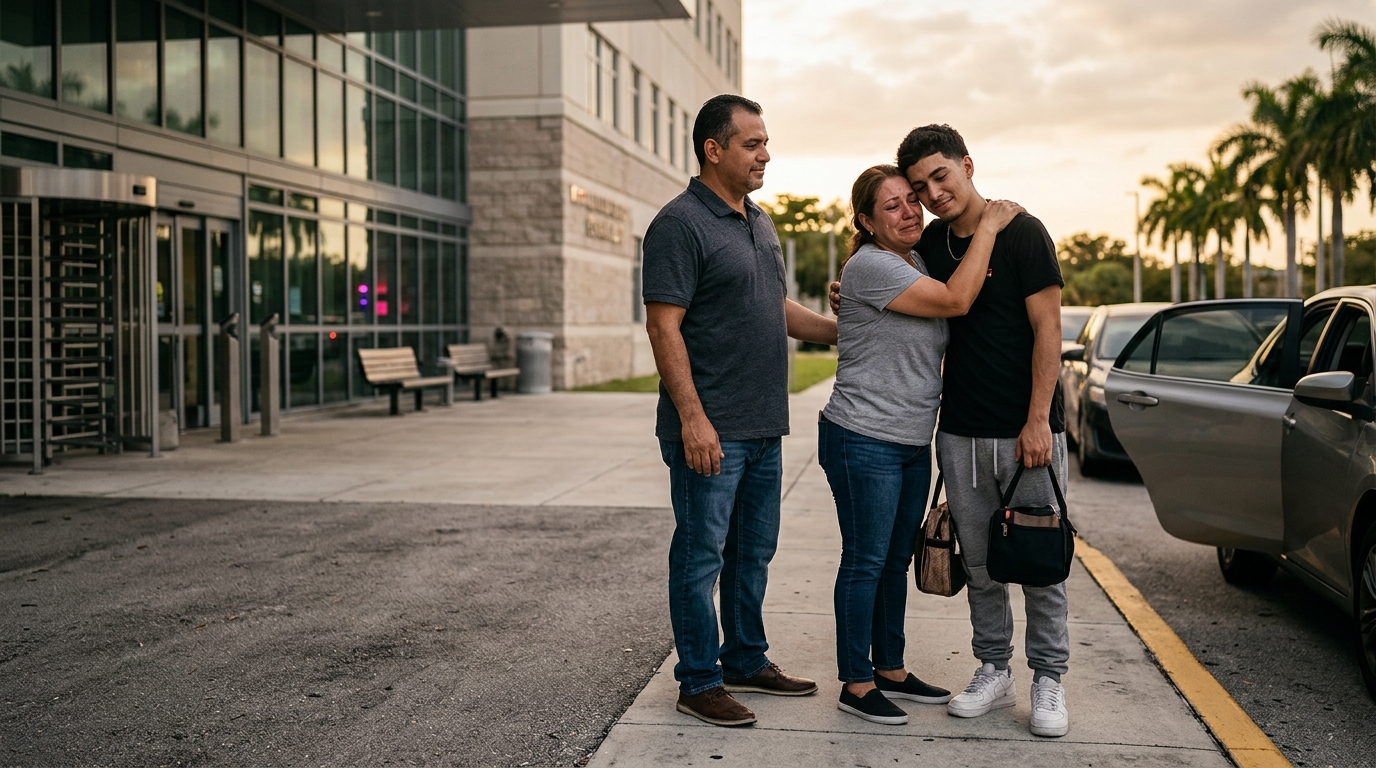
Getting someone out of jail in Miami-Dade fast requires posting bail or securing a pretrial release order within the first 48 hours of arrest. The Law Office of Adam K. Goodman explains the exact steps, legal standards, and financial options available to families facing a sudden arrest in South Florida. This guide covers bond posting methods, bail bondsman services, and the critical role of a criminal defense attorney in navigating the Miami-Dade criminal justice system.
Understanding the Arrest and Booking Process
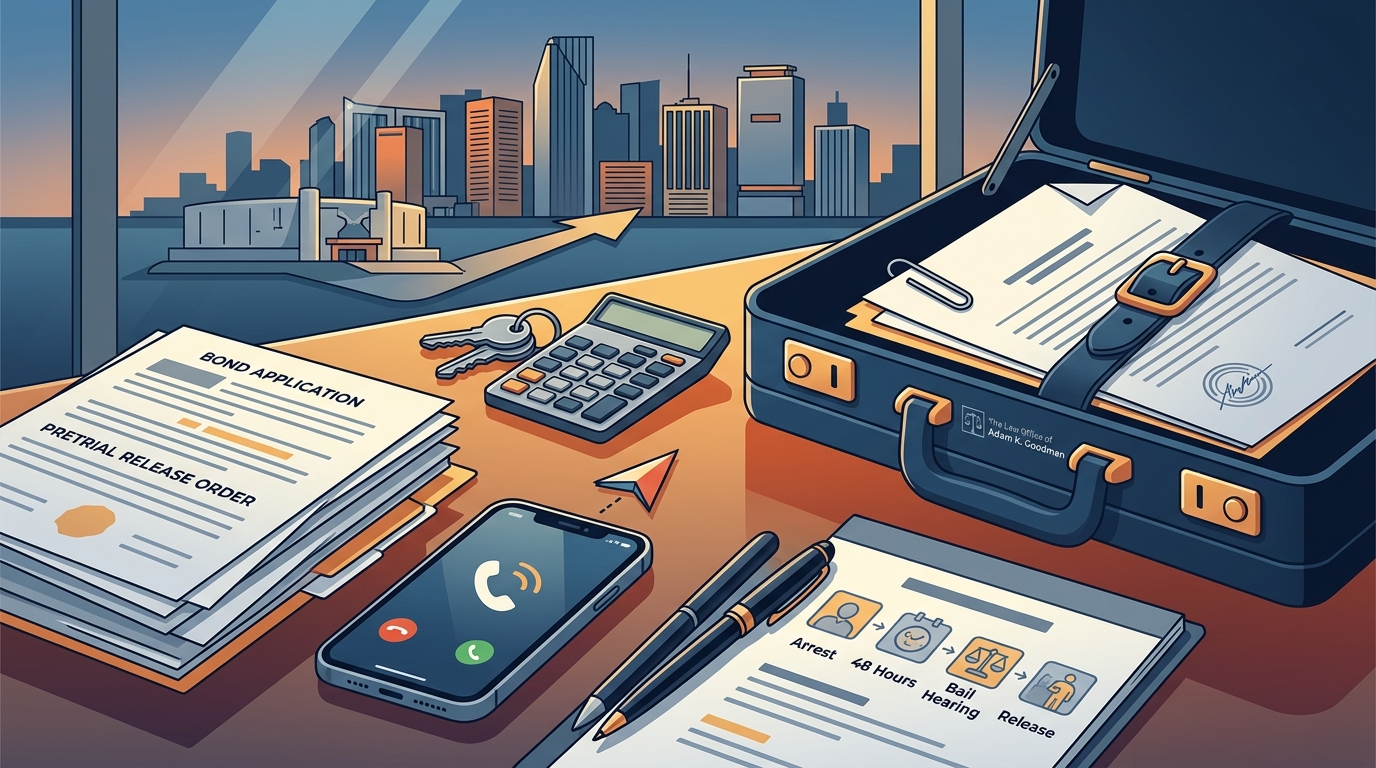
When a person is arrested in Miami-Dade County, the clock starts immediately. Under Florida state law, a person who goes to jail must appear before a judge within 24 to 48 hours of arrest. This initial appearance is known as the bond hearing or Arthur hearing. During this hearing, the judge decides if the defendant may be released before trial and sets the conditions for that release. The three primary conditions for pretrial release are bail and surety bonds, conditions of pretrial release without monetary bonds, and release on recognizance.
Understanding this timeline is crucial for families. You cannot simply walk into the jail and pay a fee to release someone immediately. The judge must first set the bond amount. If the judge sets a cash bond, you can pay it directly. If the judge sets a surety bond, you may need a bondsman. If the judge denies bond, the defendant remains in custody until trial. The Law Office of Adam K. Goodman emphasizes that the first 48 hours are the most critical window for legal intervention. A skilled attorney can argue for a lower bond amount or argue for release on recognizance based on the defendant's ties to the community and the nature of the charges.
Bond Posting Methods
Bond posting is the financial mechanism that allows a defendant to be released from jail while awaiting trial. In Florida, there are several distinct methods for posting bond, each with different financial implications and risks for the family.
Cash Bonds
A cash bond is the most straightforward method. The full amount of the bond set by the judge is paid directly to the court. If the defendant appears for all required court dates, the full amount is refunded at the end of the case, minus any administrative fees. This method is ideal for families who can afford the full bond amount and want to avoid paying a premium to a third party. However, the funds are tied up in the court system until the case concludes, which can take months or even years.
Surety Bonds
A surety bond involves a third-party bail bondsman who guarantees the full bond amount to the court. The family pays a non-refundable premium, typically 10% of the total bond amount, to the bondsman. In exchange, the bondsman posts the full bond. If the defendant fails to appear in court, the bondsman is liable for the full amount and will send bounty hunters to locate the defendant. This is the most common method for families who cannot afford the full cash bond.
Release on Recognizance (ROR)
Release on recognizance is a non-monetary release where the defendant signs a promise to appear in court. No money is posted. This is typically reserved for low-level offenses where the defendant has strong community ties and a low flight risk. A criminal defense attorney can argue for ROR during the bond hearing, especially for first-time offenders or those with stable employment and housing.
| Bond Type | Cost to Family | Refundability | Best For |
|---|---|---|---|
| Cash Bond | 100% of bond amount | Refundable after case ends | Families with liquid assets |
| Surety Bond | 10% premium (non-refundable) | Not refundable | Families with limited cash |
Bail Bondsman Services
Bail bondsman services provide a critical bridge for families who cannot afford the full cash bond. In Miami-Dade, licensed bail bondsmen operate under strict state regulations. They assess the risk of the case and the defendant's flight risk before agreeing to post a surety bond. The premium paid to the bondsman is non-refundable, regardless of the case outcome. This means that even if the defendant is acquitted, the 10% premium is lost.
It is essential to choose a licensed and reputable bondsman. The Law Office of Adam K. Goodman advises families to verify the bondsman's license with the Florida Department of Financial Services. Bondsmen may also require collateral, such as real estate or vehicles, to secure the bond. If the defendant skips bail, the collateral is forfeited. Families should read the bond agreement carefully before signing. The agreement outlines the defendant's obligations, including court appearances and check-ins with the bondsman. Failure to comply can result in the bond being revoked and the defendant being re-arrested.
The Role of a Criminal Defense Attorney
While bond posting is a financial process, the decision to release a defendant is a legal one. A criminal defense attorney plays a pivotal role in the bond hearing. Adam K. Goodman, a former Miami-Dade prosecutor, brings unique insight into how prosecutors build cases and how to identify weaknesses in the State's evidence. This experience allows the firm to argue effectively for lower bond amounts or release on recognizance.
Non-Bondable Offenses and Exceptions
Key Takeaways
- The first 48 hours after arrest are critical for securing pretrial release.
- Cash bonds are refundable, while surety bond premiums are non-refundable.
- Release on recognizance is a non-monetary option for low-risk defendants.
- A criminal defense attorney can negotiate lower bond amounts or reduced charges.
- Non-bondable offenses include capital crimes and certain armed felonies.
- Always verify the license of any bail bondsman before signing an agreement.
- The Law Office of Adam K. Goodman offers 24/7 availability for urgent legal needs.
Frequently Asked Questions
How long does it take to get someone out of jail in Miami-Dade?
It typically takes 24 to 48 hours for a defendant to appear before a judge for a bond hearing. Once the bond is set and posted, release can occur within a few hours, depending on jail processing times.
Can I post bond myself without a bondsman?
Yes, you can post a cash bond directly to the court. This requires paying the full bond amount set by the judge. The funds are refunded after the case concludes, minus administrative fees.
What happens if the defendant skips bail?
If the defendant fails to appear in court, the bond is revoked. For cash bonds, the full amount is forfeited to the court. For surety bonds, the bondsman is liable for the full amount and may use bounty hunters to locate the defendant.
Can an attorney lower the bond amount?
Yes, a criminal defense attorney can argue for a lower bond amount during the bond hearing. They can also negotiate with the prosecutor to reduce charges, which may result in a lower bond.
Are all offenses eligible for bond?
No, certain offenses are non-bondable, including capital crimes and offenses punishable by life imprisonment. Examples include armed robbery and armed sexual battery.
How much does a bail bondsman charge in Florida?
Bail bondsmen in Florida typically charge a non-refundable premium of 10% of the total bond amount. This is set by state law and is the same for all licensed bondsmen.
Conclusion
Getting someone out of jail in Miami-Dade fast requires a clear understanding of the legal process and the financial options available. The first 48 hours are critical, and the decision to post bond or seek pretrial release should be made with the guidance of an experienced criminal defense attorney. The Law Office of Adam K. Goodman is dedicated to protecting the constitutional rights of clients in Miami-Dade, Broward County, and throughout South Florida. With a former Miami-Dade prosecutor at the helm, the firm brings unique insight into how prosecutors build cases and how to identify weaknesses in the State's evidence. If you or a loved one has been arrested, do not wait. Contact the Law Office of Adam K. Goodman today for urgent legal assistance. The firm is available 24/7 to assist you with your legal needs.