
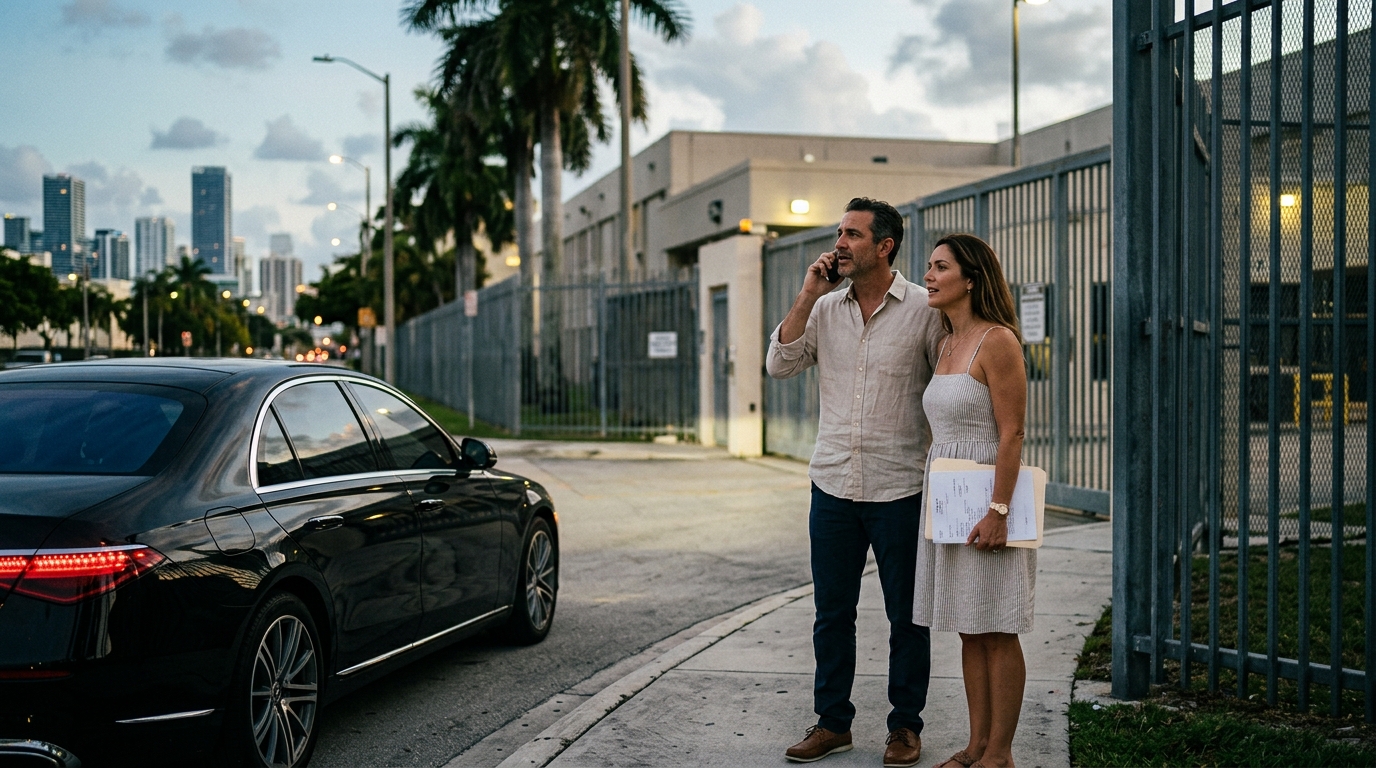
Getting someone out of jail in Miami-Dade fast requires posting bail or securing a pretrial release order within the 48-hour window after arrest. The Law Office of Adam K. Goodman provides immediate legal guidance to navigate this process efficiently. This guide covers the specific bond posting methods and bail bondsman services available in the region.
Bond Posting Methods
Understanding the mechanics of bail is the first step to securing release. In Florida, the judicial system offers several distinct pathways for pretrial release. Each method carries different financial implications and procedural requirements. Choosing the right one depends on the severity of the charges and the defendant's financial resources.
Cash Bond
A cash bond is a full monetary payment made directly to the court clerk. This method requires the defendant or their family to pay the exact amount set by the judge. The funds are held by the court until the case concludes. If the defendant appears for all required court dates, the money is refunded in full. This is the most straightforward method but requires significant liquid capital.
Property Bond
A property bond is a legal instrument using real estate as collateral for the bail amount. The court places a lien on the property to secure the defendant's release. This option is suitable for individuals who own property in Florida but lack cash. The process involves a formal appraisal and legal documentation. It is a slower process than cash bonds but preserves liquid assets.
Release on Recognizance
Release on Recognizance (ROR) is a non-monetary release based on the defendant's promise to appear in court. The judge evaluates the defendant's ties to the community and flight risk. This method is often granted for minor offenses or first-time offenders. It requires no upfront payment, making it the most accessible option for eligible defendants.
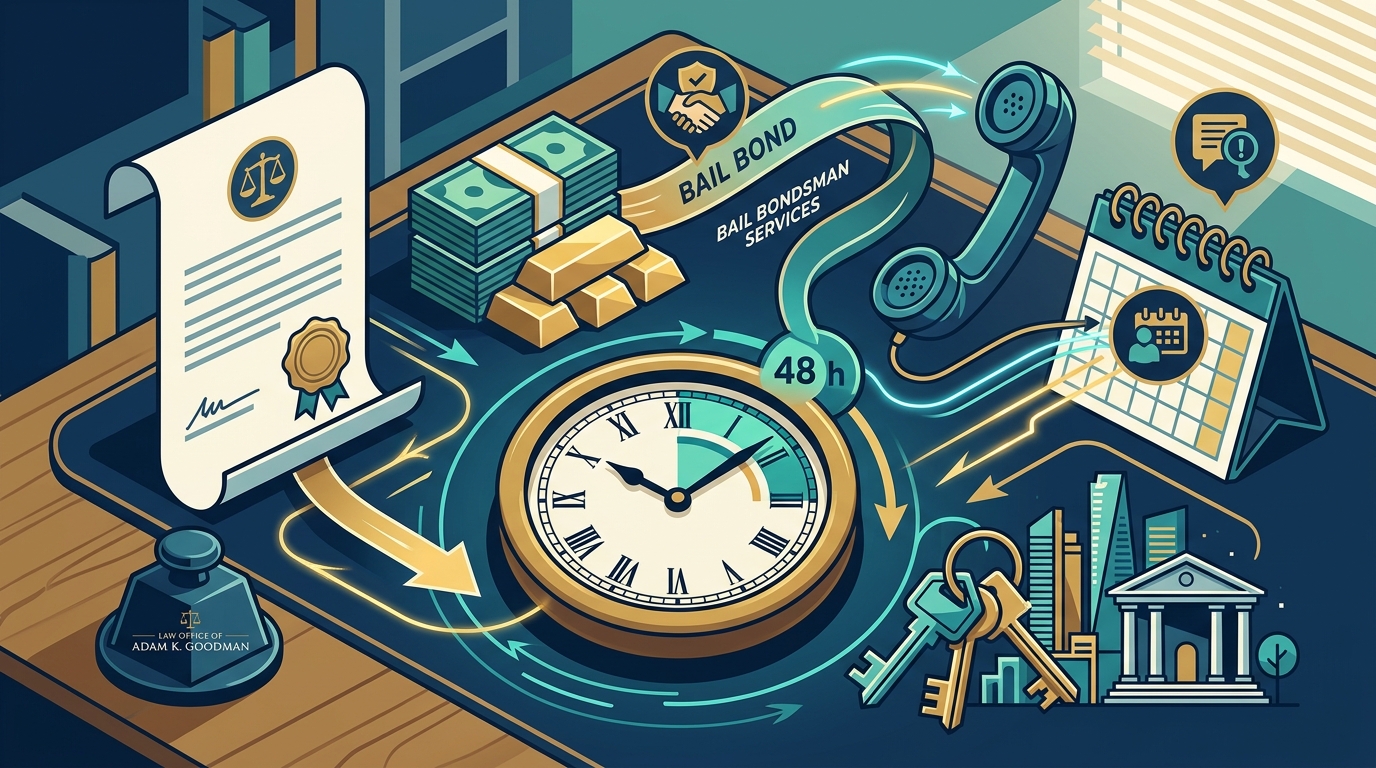
Bail Bondsman Services
For many families, the full bail amount is unaffordable. Bail bondsmen provide a financial bridge by posting bail on behalf of the defendant. In exchange, the client pays a non-refundable premium, typically a percentage of the total bail amount. This service allows for immediate release without depleting the family's entire savings.
How Bondsmen Operate
Bail bondsmen are licensed agents who guarantee the court that the defendant will appear for trial. They charge a premium, usually around 10% of the bail amount in Florida. This fee is non-refundable regardless of the case outcome. The bondsman assumes the financial risk if the defendant fails to appear. This structure makes bail accessible for those who cannot pay the full sum.
Collateral Requirements
Choosing a Licensed Bondsman
It is critical to work with a licensed and reputable bail bondsman. Verify the agent's license with the Florida Department of Financial Services. A professional bondsman will explain all terms clearly and provide a written contract. Avoid agents who pressure you for quick payments without proper documentation. The Law Office of Adam K. Goodman can help you understand the legal implications of using a bondsman.
| Method | Cost | Refundability | Speed |
|---|---|---|---|
| Cash Bond | Full Bail Amount | Refundable | Immediate |
| Property Bond | None (Collateral) | Refundable | Slower |
| Bail Bondsman | ~10% Premium | Non-Refundable | Immediate |
| ROR | None | N/A | Immediate |
Key Takeaways
- Defendants must appear before a judge within 48 hours of arrest for a bond hearing.
- Cash bonds are refundable if the defendant complies with all court dates.
- Bail bondsmen charge a non-refundable premium, typically 10% of the bail amount.
- Release on Recognizance is a non-monetary option for low-risk defendants.
- Property bonds use real estate as collateral and require a formal appraisal.
- Working with a criminal defense attorney ensures the bond amount is negotiated effectively.
- Always verify the license of any bail bondsman before signing a contract.
- Failure to appear in court results in the forfeiture of the bond and a new arrest warrant.
Frequently Asked Questions
How long does it take to get someone out of jail in Miami-Dade?
Release typically occurs within 24 to 48 hours after arrest, depending on the bond hearing schedule. The judge sets the bail amount during the initial appearance. Once the bond is posted, the jail processes the release, which can take a few hours.
What is the difference between bail and bond?
Bail is the amount set by the court, while a bond is the financial instrument used to secure release. A cash bond is paid directly to the court, while a surety bond involves a third-party bondsman. Both serve the same purpose of guaranteeing court appearance.
Can I use my house as collateral for bail?
Yes, you can use real estate as collateral for a property bond. The court places a lien on the property. This process requires an appraisal and legal documentation. It is a viable option if you own property in Florida.
Is the bail money refunded?
Cash bonds are refunded in full if the defendant appears for all court dates. Bail bondsman premiums are non-refundable. Property bonds are released once the case concludes and the defendant has complied with all orders.
What happens if the defendant misses a court date?
The court will issue a bench warrant for the defendant's arrest. The bond is forfeited, and the full bail amount becomes due. The defendant must be recaptured to resolve the warrant.
How can an attorney help with the bond process?
An attorney can argue for a lower bail amount or ROR release. They can also negotiate with the prosecutor to reduce charges, which may lower the bail. The Law Office of Adam K. Goodman provides strategic guidance to optimize the bond outcome.
Are there non-bondable offenses in Florida?
Yes, certain serious offenses, such as capital murder, are non-bondable. Defendants charged with these crimes cannot be released on bail. The judge has no discretion to set bail for these specific charges.
Conclusion
Navigating the Miami-Dade criminal justice system requires speed and strategic precision. Understanding the differences between cash bonds, property bonds, and surety bonds is essential for making informed decisions. The Law Office of Adam K. Goodman offers expert guidance to help you secure the fastest and most cost-effective release for your loved one. today to start your case.